
.jpeg)
Is cabergoline suitable for children?
Cabergoline, an ergot derivative, is mainly used to treat various diseases caused by excessive secretion of prolactin, such as hyperprolactinemia, Parkinson's disease, and certain types of pituitary tumors. However, several factors need to be considered as to whether cabergoline is suitable for use in children.
From a safety perspective, the use of cabergoline in children requires special caution. According to publicly released information, cabergoline may cause a range of side effects, including gastrointestinal discomfort, decreased blood pressure, and neurological reactions. These side effects may be particularly pronounced in newborns and infants because their gastrointestinal, cardiovascular, and nervous systems are not fully developed. Specifically, cabergoline may irritate the gastrointestinal tract of newborns, causing nausea, vomiting, diarrhea and other symptoms; at the same time, it may also lower blood pressure and cause dizziness, headache and other discomforts. In addition, cabergoline's effects on the nervous system may also cause adverse reactions such as drowsiness and hallucinations.
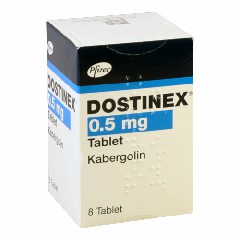
When considering whether cabergoline is suitable for use in children, it is also important to pay attention to its specific indications and contraindications. Cabergoline is primarily used to treat conditions associated with excessive prolactin secretion. However, in children, the incidence of such diseases is relatively low. Therefore, unless the relevant disease is clearly diagnosed and the use of cabergoline is deemed necessary by a professional doctor's evaluation, it is not recommended to be used casually in children.
There are also some clear contraindications to the use of cabergoline. For example, cabergoline is contraindicated in patients who are allergic to ergot preparations; children with severe ischemic heart disease, peripheral vascular disease, hypertension and other diseases should also avoid its use. In addition, cabergoline may interact with other medications, increasing the risk of adverse reactions.
[ 免责声明 ] 本页面内容来自公开渠道(如FDA官网、Drugs官网、原研药厂官网等),仅供持有医疗专业资质的人员用于医学药学研究参考,不构成任何治疗建议或药品推荐。所涉药品可能未在中国大陆获批上市,不适用于中国境内销售和使用。如需治疗,请咨询正规医疗机构。本站不提供药品销售或代购服务。


