
.jpeg)
Application strategy of cabergoline in the treatment of pituitary tumors
Pituitary adenoma, as a common intracranial tumor, has various treatment methods, including surgery, drugs and radiotherapy. Among them, cabergoline, as a dopamine receptor agonist, plays an important role in the treatment of pituitary tumors.
Cabergoline is mainly used to treat functional pituitary tumors, especially prolactin-type pituitary tumors. This type of tumor is more sensitive to dopamine receptor agonists, so cabergoline can inhibit the synthesis and secretion of prolactin by stimulating dopamine receptors, thereby shrinking the tumor and alleviating symptoms.
The dosage of cabergoline needs to be adjusted according to the patient's specific condition. Generally, the initial dose will be relatively low and gradually increased based on the patient's response and tolerance. This individualized medication strategy is designed to ensure the effectiveness of the medication while minimizing side effects.
In some cases of complex or refractory pituitary tumors, cabergoline may be used in combination with other drugs, such as growth hormone analogs, glucocorticoid receptor antagonists, etc. This combination drug strategy aims to enhance the therapeutic effect through drug interactions with different mechanisms. In addition, for patients who do not respond well to drug treatment, adjuvant radiation therapy or surgery can also be considered.
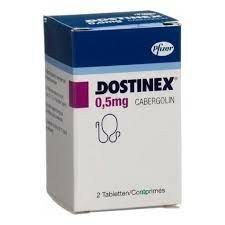
Cabergoline has achieved significant clinical efficacy in the treatment of pituitary tumors. Multiple studies have shown that after treatment with cabergoline, the tumor size of most patients will be significantly reduced, and related hormone levels will also return to normal. For example, in a study of prolactin-type pituitary tumors, up to 79.7% of patients treated with cabergoline returned to normal prolactin levels, and 73.9% of patients experienced a reduction in tumor size. These data strongly support the effectiveness of cabergoline in the treatment of pituitary tumors.
In addition to shrinking tumors and restoring hormone levels, cabergoline can significantly improve patients' symptoms and quality of life. For example, common symptoms such as headache and visual impairment in patients with prolactin-type pituitary tumors can often be significantly relieved after treatment with cabergoline. At the same time, because cabergoline can reduce hormone secretion, patients' endocrine-related symptoms will also be improved, such as menstrual disorders, loss of sexual desire, etc. Improvement in these symptoms not only improves patients' quality of life but also enhances their confidence in treatment.
Although cabergoline has achieved remarkable results in the treatment of pituitary tumors, its side effects cannot be ignored. Common side effects include nausea, headache, dizziness, and orthostatic hypotension. Most of these side effects are dose-related, so use needs to be closely monitored and adjusted based on patient response. In addition, long-term use of cabergoline may increase the risk of heart valve disease, so regular cardiac ultrasound examinations are needed to assess safety.
Although cabergoline is effective in most patients with pituitary tumors, some patients develop drug resistance. For these patients, consideration can be given to increasing the drug dose, combining it with other drugs, or switching to other treatments. For example, studies have shown that combining cabergoline with other dopamine agonists or growth hormone analogs can enhance treatment efficacy and overcome resistance.
[ 免责声明 ] 本页面内容来自公开渠道(如FDA官网、Drugs官网、原研药厂官网等),仅供持有医疗专业资质的人员用于医学药学研究参考,不构成任何治疗建议或药品推荐。所涉药品可能未在中国大陆获批上市,不适用于中国境内销售和使用。如需治疗,请咨询正规医疗机构。本站不提供药品销售或代购服务。


