
.jpeg)
Early symptoms of head and neck cancer
The early symptoms of head and neck cancer are diverse and vary depending on the specific location of the cancer, but they usually appear as mild and difficult-to-note symptoms, often delaying diagnosis. Understanding these early symptoms is crucial for early detection and treatment.
1. Oral changes: For oral cancer, early symptoms include persistent ulcers or white spots or red spots inside the mouth or on the tongue. These lesions usually do not go away on their own within a short period of time and may be slightly painful. Loose teeth or wounds that fail to heal after tooth extraction may also be a sign of cancer. Additionally, the formation of swelling or lumps in the mouth may cause difficulty chewing or swallowing.
2. Changes in throat and voice: Patients with laryngeal cancer may have persistent hoarseness or changes in voice, especially when there is no obvious cold or infection. If hoarseness persists for more than three weeks, you need special attention. Cancer in the throat can also cause throat pain, which worsens when swallowing, and can even cause a foreign body sensation. Additionally, patients may experience discomfort or difficulty swallowing while eating, which may gradually worsen.
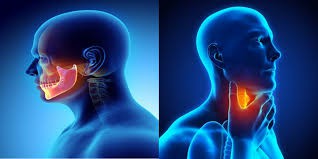
3. Nasal cavity and nasopharyngeal symptoms: The early symptoms of nasopharyngeal cancer usually include unilateral nasal congestion or blood in the nasal mucus, especially when getting up in the morning. Patients may also experience recurring tinnitus, ear fullness, or hearing loss, especially in one ear. Persistent headaches are also common symptoms and may be related to cancer invading surrounding tissue.
4. Neck mass: Patients with head and neck cancer often find painless masses in the neck unintentionally, which usually indicates regional lymph node enlargement. Although a lump in your neck may be related to other inflammation or infection, if the lump persists for several weeks and does not go away, you should seek medical attention as soon as possible.
5. Other symptoms: Early symptoms of salivary gland cancer may include a lump in the salivary gland on the face or neck, with or without pain. Early symptoms of hypopharyngeal and oropharyngeal cancer may also include pain when swallowing, earache, persistent cough, and even unexplained weight loss. Additionally, certain cancer types may cause a bad taste in the mouth or a feeling of choking when eating.
(Common head and neck cancer treatment drugs such as: repotinib, toripalimab, pembrolizumab, cetuximab, nivolumab, etc. For specific drug details, please see the website homepage or click for consultation.)
[ 免责声明 ] 本页面内容来自公开渠道(如FDA官网、Drugs官网、原研药厂官网等),仅供持有医疗专业资质的人员用于医学药学研究参考,不构成任何治疗建议或药品推荐。所涉药品可能未在中国大陆获批上市,不适用于中国境内销售和使用。如需治疗,请咨询正规医疗机构。本站不提供药品销售或代购服务。


