
.jpeg)
Where is head and neck cancer?
Head and neck cancer refers to a variety of cancers that occur in the head and neck region, covering multiple anatomical locations, including the oral cavity, nasopharynx, larynx, pharynx, nasal cavity and paranasal sinuses, salivary glands, etc. The vast majority of these cancers are squamous cell carcinomas, which originate from the epithelial cells that cover these organs. There are different types of head and neck cancer based on their location, each with its own unique symptoms and treatments.
1. Oral cancer: Oral cancer includes cancer of the lips, tongue, gums, floor of the mouth, buccal mucosa, palate and soft palate. Early symptoms of oral cancer may appear as persistent oral ulcers, white spots, or red spots, which may be accompanied by oral pain, loose teeth, or difficulty chewing.
2. Nasopharyngeal cancer: Nasopharyngeal cancer is located in the nasopharyngeal cavity, which is the area behind the nose and mouth. Nasopharyngeal cancer is more common in Asia, especially in Southeast Asia. Early symptoms may include nasal congestion, blood in the nose, recurring tinnitus or ear fullness, hearing loss, and swollen lymph nodes in the neck.
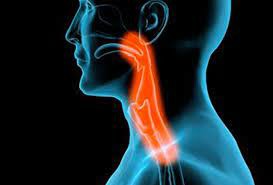
3. Laryngeal cancer: Laryngeal cancer occurs in the larynx, that is, the vocal cords and surrounding tissue area. Early signs of laryngeal cancer often include hoarseness, voice changes, throat pain, or cough. Special attention is needed if the hoarseness lasts for more than three weeks. If the cancer progresses, it may cause difficulty breathing or swallowing.
4. Pharyngeal cancer: Pharyngeal cancer includes oropharyngeal cancer, hypopharyngeal cancer and epipharyngeal cancer, which occur in different parts of the throat. Oropharyngeal cancer is common in the tonsils, soft palate, and base of the tongue; hypopharyngeal cancer is located near the opening of the esophagus. Symptoms include difficulty swallowing, persistent sore throat, earache and a lump in the neck.
5. Nasal cavity and paranasal sinus cancer: This cancer occurs inside the nasal cavity and paranasal sinuses (air cavities within the skull). Early symptoms may manifest as chronic nasal congestion, epistaxis, facial pain or swelling, especially if symptoms are persistent or occur unilaterally.
6. Salivary gland cancer: Salivary gland cancer is relatively rare and occurs in the main salivary glands (such as parotid glands, submandibular glands and sublingual glands) or minor salivary glands located in the mouth and throat. Early symptoms often include swollen or painful salivary glands and even facial numbness.
(Common head and neck cancer treatment drugs include: repotinib, toripalimab, pembrolizumab, cetuximab, nivolumab, etc. For specific drug details, please see the website homepage or click for consultation.)
[ 免责声明 ] 本页面内容来自公开渠道(如FDA官网、Drugs官网、原研药厂官网等),仅供持有医疗专业资质的人员用于医学药学研究参考,不构成任何治疗建议或药品推荐。所涉药品可能未在中国大陆获批上市,不适用于中国境内销售和使用。如需治疗,请咨询正规医疗机构。本站不提供药品销售或代购服务。


