
.jpeg)
Treatment of resistance to ivonib/ivitinib
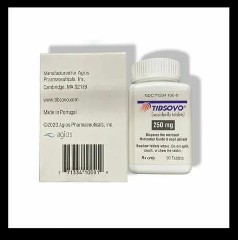
Ivosidenib/Ivosidenib is a targeted drug mainly used to treat acute myeloid leukemia (AML) and other related tumors with IDH1 mutations. Although ivonib has shown good efficacy in clinical applications, drug resistance remains one of the common and complex challenges in patient treatment.
The mechanism of drug resistance is mainly related to genetic mutations, metabolic adaptation and microenvironmental changes of tumor cells. During the use of ivonib, some patients may develop drug resistance, which usually manifests as disease progression or recurrence. These resistance mechanisms can be divided into several categories: First, cancer cells may evade the effects of drugs through secondary mutations. For example, in theIDH gene, new mutations may occur that lead to changes in enzyme activity, thereby reducing the ability of the drug to bind. In addition, tumor cells may also bypass the inhibition of IDH1 by upregulating other metabolic pathways and continue to maintain their proliferation ability.
Changes in the tumor microenvironment may also affect drug efficacy. As tumors progress, the cellular components, extracellular matrix, and their interactions in the tumor microenvironment change. This remodeling of the microenvironment may promote the survival and proliferation of tumor cells, thereby leading to increased resistance to ivonib.
In clinical practice, strategies to deal with ivosidenib resistance mainly include combination therapy, dose adjustment, and the selection of other treatment options. Combination therapy is the simultaneous use of other targeted drugs or chemotherapy drugs to enhance the therapeutic effect and overcome drug resistance. Studies have shown that the combination of certain chemotherapy drugs or other targeted drugs with ivonib can improve the efficacy and delay the occurrence of drug resistance. In addition, dose adjustment may also be an effective means to maintain the effective concentration of the drug in the body and reduce the occurrence of drug resistance by optimizing the dose and frequency of administration.
For patients who have developed drug resistance, more in-depth molecular testing may be needed to clarify the mechanism of drug resistance and develop an individualized treatment plan based on the test results. For example, for patients who are found to have new mutations, they can consider using other targeted drugs targeting different mutations, or participate in clinical trials to find new solutions with the help of emerging treatments.
[ 免责声明 ] 本页面内容来自公开渠道(如FDA官网、Drugs官网、原研药厂官网等),仅供持有医疗专业资质的人员用于医学药学研究参考,不构成任何治疗建议或药品推荐。所涉药品可能未在中国大陆获批上市,不适用于中国境内销售和使用。如需治疗,请咨询正规医疗机构。本站不提供药品销售或代购服务。


