
.jpeg)
A brief description of the clinical application, usage and dosage of the lung cancer targeted drug brigatinib
Brigatinib, also known as brigatinib, is a targeted drug that has emerged in the field of lung cancer treatment in recent years. With its unique mechanism and significant efficacy, it provides a new treatment option for patients with anaplastic lymphoma kinase (ALK)-positive locally advanced or metastatic non-small cell lung cancer (NSCLC).
In clinical applications, brigatinib has demonstrated a high ability to inhibitALK-positive lung cancer cells. By precisely blocking signaling pathways within tumor cells, brigatinib can effectively inhibit the growth and spread of tumors, thereby prolonging patients' survival and improving their quality of life. In addition, it also performs well in reducing tumor progression and controlling brain metastasis, further consolidating its position in the treatment of lung cancer.
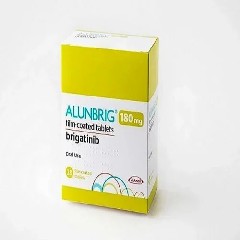
As for the usage and dosage of brigatinib, the usually recommended starting dose is 90 mg once a day for 7 consecutive days. If the patient does not experience serious side effects or intolerance during this period, the dose can be adjusted to 180 mg per day and continued once-daily administration. This dose adjustment strategy is designed to ensure that patients can receive brigatinib treatment safely and effectively.
It is worth noting that brigatinib must be taken strictly in accordance with medical instructions. During medication, patients may experience some adverse reactions, such as nausea, vomiting, diarrhea, fatigue, etc. Most of these reactions are mild to moderate and can be relieved with appropriate medication modification or supportive care. However, if serious adverse reactions occur, patients should seek medical advice immediately and seek professional advice.
In addition to the above routine usage and dosage, the dosage of brigatinib may need to be adjusted in some special circumstances. For example, for patients who experience adverse reactions, doctors may recommend temporarily lowering the dose or suspending medication to ensure patient safety. At the same time, for patients with liver and kidney dysfunction, the dosage of brigatinib also needs to be adjusted according to specific conditions.
In general, brigatinib, as a new type of targeted drug for lung cancer, brings new hope to ALK-positive NSCLC patients with its unique mechanism and precise efficacy. During the medication process, patients should pay close attention to their own reactions and take medication in strict accordance with the doctor's instructions to ensure the safety and effectiveness of the treatment.
[ 免责声明 ] 本页面内容来自公开渠道(如FDA官网、Drugs官网、原研药厂官网等),仅供持有医疗专业资质的人员用于医学药学研究参考,不构成任何治疗建议或药品推荐。所涉药品可能未在中国大陆获批上市,不适用于中国境内销售和使用。如需治疗,请咨询正规医疗机构。本站不提供药品销售或代购服务。


