
.jpeg)
Medication Guide for Cabergoline in the Treatment of Hyperprolactinemia
Hyperprolactinemia is a common endocrine disorder, mainly characterized by abnormally elevated prolactin levels. This disease may cause irregular menstruation, infertility, breast secretion and other symptoms, seriously affecting the patient's quality of life. In the treatment of hyperprolactinemia, cabergoline is an effective drug and is widely used clinically. However, correct medication administration and precautions are crucial to ensure drug efficacy and patient safety.
Cabergoline is a dopamine receptor agonist, which mainly inhibits the synthesis and secretion of prolactin by stimulating dopamineD2 receptors, thereby reducing serum prolactin levels. In addition, cabergoline may also inhibit the growth of pituitary tumors and help reduce tumor size.
Before starting cabergoline treatment, doctors should conduct a comprehensive assessment of the patient, including medical history, physical examination, laboratory tests, etc. Particular attention needs to be paid to the patient's prolactin levels, pituitary tumor size, and the presence of other endocrine disorders. In addition, physicians should evaluate the patient's cardiovascular status and consider performing an echocardiogram to rule out valvular disease.
The initial therapeutic dose of cabergoline is usually 0.25mg twice weekly. This dose can be adjusted according to the patient's specific condition to ensure the effectiveness and safety of the drug.
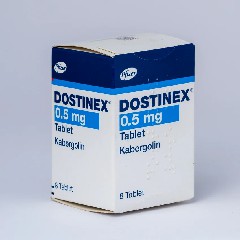
During the treatment process, the doctor will adjust the dosage according to the patient's prolactin level and changes in condition. Generally speaking, if prolactin levels are not effectively controlled, the dose can be gradually increased by 0.25 mg twice a week. However, the maximum dose should usually not exceed 1 mg twice weekly.
Cabergoline is administered orally, and patients should take the medicine on time under the guidance of a doctor. In order to reduce the irritation of the drug to the gastrointestinal tract, it is recommended to take it within 1 hour before or after a meal. At the same time, patients should try to maintain a fixed medication schedule to better control their condition.
Patients must strictly abide by the doctor's instructions while taking cabergoline and are not allowed to adjust the dosage or change the medication method on their own. If you have any questions or discomfort, you should consult your doctor promptly.
Side effect observation: Although cabergoline is relatively safe, some side effects may still occur, such as nausea, vomiting, dizziness, headache, etc. Patients should closely observe changes in physical condition and provide timely feedback to their doctors. In addition, cabergoline may also cause serious side effects such as arrhythmia and exacerbation of angina, so patients should remain vigilant during medication.
In order to keep abreast of changes in the condition and drug efficacy, patients should undergo relevant examinations regularly during medication, including prolactin level testing, pituitary tumor size assessment, and cardiovascular function testing.
The safety of cabergoline during pregnancy has not been established and its use by pregnant women is not recommended. For patients who are already pregnant or planning to become pregnant, other appropriate treatments should be selected under the guidance of a doctor. This drug is contraindicated in patients allergic to cabergoline or ergot preparations. Additionally, cabergoline should be avoided in patients with severe ischemic heart disease, peripheral vascular disease, and a history of severe mental illness.
[ 免责声明 ] 本页面内容来自公开渠道(如FDA官网、Drugs官网、原研药厂官网等),仅供持有医疗专业资质的人员用于医学药学研究参考,不构成任何治疗建议或药品推荐。所涉药品可能未在中国大陆获批上市,不适用于中国境内销售和使用。如需治疗,请咨询正规医疗机构。本站不提供药品销售或代购服务。


