
.jpeg)
Will multiple myeloma be passed down to the next generation?
Multiple myeloma is a malignant tumor that originates from bone marrow plasma cells. It causes the increase of abnormal plasma cells in the bone marrow and may cause bone pain, anemia, renal insufficiency and other symptoms. This disease accounts for a certain proportion of hematological malignancies and has a significant impact on patients' quality of life and survival. However, current scientific research has not reached a clear conclusion on whether multiple myeloma can be passed on to the next generation.
First of all, multiple myeloma is not a typical genetic disease. Although genetic factors may play a certain role in the occurrence of the disease, the onset of multiple myeloma is more the result of a variety of complex factors, including environmental factors, lifestyle, immune status, etc. Therefore, even if there are multiple myeloma patients in the family, it does not mean that the next generation will definitely inherit the disease.
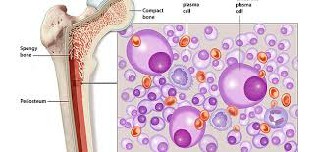
Secondly, current genetic research on multiple myeloma mainly focuses on genetic abnormalities. These abnormal genes may increase an individual's risk of developing the disease, but are not a decisive factor. Autosomal dominant and autosomal recessive inheritance are two inheritance patterns associated with multiple myeloma, but they do not account for a high proportion of all cases. In addition, acquired chromosomal abnormalities also play an important role in the development of the disease. These chromosomal abnormalities may be caused by acquired factors and are not directly related to genetics.
To sum up, multiple myeloma is not a disease that is directly passed on to the next generation. While genetic factors may play a role in the development of the disease, acquired factors are equally important. Therefore, for family members who are worried about genetic problems, it is recommended to maintain a healthy lifestyle, avoid exposure to possible pathogenic factors, and undergo regular physical examinations to detect potential health problems early. At the same time, if you have concerns or if your family history is obvious, you can seek professional genetic counseling for more detailed information and advice.
(Common multiple myeloma treatment drugs include: melphalan, melphalan, bortezomib, ixazomib, etc. For specific drug details, please see the website homepage or click for consultation.)
[ 免责声明 ] 本页面内容来自公开渠道(如FDA官网、Drugs官网、原研药厂官网等),仅供持有医疗专业资质的人员用于医学药学研究参考,不构成任何治疗建议或药品推荐。所涉药品可能未在中国大陆获批上市,不适用于中国境内销售和使用。如需治疗,请咨询正规医疗机构。本站不提供药品销售或代购服务。


