
.jpeg)
What is multiple myeloma
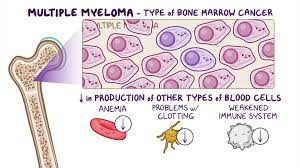
Multiple myeloma, also known as myeloma and plasma cell myeloma, is a malignant plasma cell disease. It is a common tumor in the blood system that originates from plasma cells in the bone marrow. These cells are the cells that develop into the final functional stage of B lymphocytes and are responsible for producing antibodies. However, in the case of multiple myeloma, these plasma cells undergo malignant transformation, affecting normal hematopoietic function and may lead to a series of clinical symptoms.
The main characteristic of multiple myeloma is abnormal proliferation of bone marrow plasma cells, accompanied by overproduction of monoclonal immunoglobulins or light chains. This abnormal growth can cause symptoms such as bone pain, anemia, renal insufficiency, infection, and hypercalcemia. Specifically, due to the massive proliferation of myeloma cells in the bone marrow, normal hematopoietic function will be inhibited, thereby causing anemia; at the same time, these malignant plasma cells will also secrete abnormal immunoglobulins, causing increased blood viscosity, affecting blood flow, and may cause symptoms such as dizziness and vertigo. In addition, bone destruction is also a significant feature of multiple myeloma, and patients often experience symptoms such as bone pain and pathological fractures.
The age of onset of multiple myeloma is mostly between 50 and 60 years old, and the incidence rate in men is slightly higher than that in women. The cause of the disease is still not fully understood, but it is generally believed to be the result of a combination of internal and external factors in the body. Among them, internal factors mainly include family hereditary factors and gene mutations, while external factors may be related to environmental factors, lifestyle, etc.
In terms of diagnosis, doctors will make a comprehensive judgment based on the patient's clinical manifestations, blood tests, imaging tests, and bone marrow examination results. Treatment mainly uses chemotherapy, radiotherapy, immunotherapy and autologous hematopoietic stem cell transplantation. Chemotherapy is one of the main treatments for multiple myeloma, using drugs to kill or inhibit the growth and reproduction of myeloma cells; radiotherapy is mainly used to relieve local pain and control the development of local lesions; immunotherapy attacks myeloma cells by activating the patient's own immune system; and autologous hematopoietic stem cell transplantation is a more radical treatment method aimed at rebuilding the patient's hematopoietic system.
However, despite the variety of treatment options available, multiple myeloma remains a disease that is difficult to completely cure. Current treatments can prolong patient survival and improve quality of life, but there is still a risk of recurrence. Therefore, it is very important for patients with multiple myeloma to receive regular check-ups and treatments.
Overall, multiple myeloma is a complex hematologic malignancy that has a significant impact on patients' quality of life and survival. However, through the application of comprehensive treatment methods and the active cooperation of the patients themselves, we can effectively control the development of the disease and improve the patient's quality of life. At the same time, with the continuous deepening of medical research and the continuous emergence of new drugs, we believe that more effective treatments will emerge in the future, bringing more hope and vitality to patients with multiple myeloma.
(Common multiple myeloma treatment drugs include: melphalan, melphalan, bortezomib, ixazomib, etc. For specific drug details, please see the website homepage or click for consultation.)
[ 免责声明 ] 本页面内容来自公开渠道(如FDA官网、Drugs官网、原研药厂官网等),仅供持有医疗专业资质的人员用于医学药学研究参考,不构成任何治疗建议或药品推荐。所涉药品可能未在中国大陆获批上市,不适用于中国境内销售和使用。如需治疗,请咨询正规医疗机构。本站不提供药品销售或代购服务。


