
.jpeg)
Effect of osimertinib on stage III lung adenocarcinoma
Osimertinib, as a third-generation epidermal growth factor receptor (EGFR) tyrosine kinase inhibitor, has attracted much attention in the field of lung cancer treatment in recent years. Especially for patients with EGFR mutation-positive non-small cell lung cancer (NSCLC), osimertinib has demonstrated significant clinical efficacy.
Osimertinib blocks the growth and proliferation of tumor cells by specifically inhibiting the abnormal activation of the EGFR signaling pathway. Compared with first- and second-generation EGFR inhibitors, osimertinib has higher selectivity and more potent inhibitory effect. This provides a solid basis for its efficacy in the treatment of lung cancer. Especially in patients with stage III lung adenocarcinoma, treatment is relatively difficult because the tumor has invaded surrounding important structures or lymph nodes. Therefore, osimertinib, which has high efficiency and low toxicity, has become an important treatment option for these patients.
Multiple clinical studies have shown that after osimertinib is used to treat patients with stage III lung adenocarcinoma, most patients' tumors will shrink significantly. This shrinkage is usually accompanied by significant relief of patient symptoms, such as cough, chest pain, dyspnea, etc. This rapid feedback on efficacy is of great significance for improving patients’ quality of life and confidence in treatment.
In patients with stage III lung adenocarcinoma, osimertinib treatment can significantly prolong progression-free survival. This means that after patients receive osimertinib treatment, the tumor remains stable for a period of time without significant progression. This extension of survival provides patients with more treatment opportunities and hope for survival.
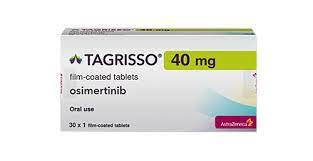
In addition toPFS prolongation, osimertinib can also improve the overall survival of patients with stage III lung adenocarcinoma to a certain extent. Although the treatment of stage III patients is more difficult, the emergence of osimertinib has brought new hope for survival to these patients. With continued treatment and monitoring, some patients can even achieve long-term survival with the disease.
Osimertinib has demonstrated good safety and tolerability in the treatment of patients with stage III lung adenocarcinoma. Compared with chemotherapy drugs, the side effects of osimertinib are relatively minor, mainly including minor reactions such as rash, diarrhea, and paronychia. Most patients can tolerate these reactions and make appropriate adjustments and treatments under the guidance of a doctor. This good safety and tolerability make osimertinib an important long-term treatment option for patients with stage III lung adenocarcinoma.
In actual clinical practice, osimertinib can also be used in combination with other treatments to further improve the therapeutic effect. For example, for patients with stage III locally advanced or metastatic lung adenocarcinoma, osimertinib can be combined with radiotherapy, chemotherapy and other methods to form a comprehensive treatment plan. This combined treatment strategy helps to give full play to the advantages of various treatment methods, improve the overall treatment effect and reduce the development of drug resistance.
In summary, osimertinib has demonstrated significant clinical efficacy and good safety and tolerability in the treatment of stage III lung adenocarcinoma patients. By specifically inhibiting the EGFR signaling pathway, it achieves tumor shrinkage and alleviation of patient symptoms, and significantly extends the patient's progression-free survival and overall survival.
[ 免责声明 ] 本页面内容来自公开渠道(如FDA官网、Drugs官网、原研药厂官网等),仅供持有医疗专业资质的人员用于医学药学研究参考,不构成任何治疗建议或药品推荐。所涉药品可能未在中国大陆获批上市,不适用于中国境内销售和使用。如需治疗,请咨询正规医疗机构。本站不提供药品销售或代购服务。


