
.jpeg)
Criteria and methods for assessing complete resistance to osimertinib
Research on the combined treatment strategy of osimertinib and crizotinib is of great significance in the current field of cancer treatment. As two targeted drugs, osimertinib and crizotinib target different targets and have their own efficacy characteristics. Exploring the combined use of the two may provide patients with a more comprehensive and effective treatment plan.
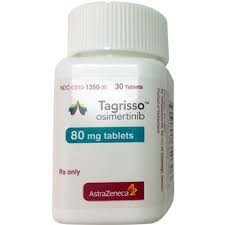
Osimertinib is a tyrosine kinase inhibitor targeting the epidermal growth factor receptor (EGFR). It is particularly suitable for patients with sensitive mutations in the EGFR driver gene. It effectively blocks the proliferation and spread of tumor cells by inhibiting the EGFR signaling pathway. However, drug resistance may occur after long-term use, especially the emergence of drug resistance mechanisms such as C797S mutation, which limits the effectiveness of single drug treatment.
Crizotinib is a multi-target tyrosine kinase inhibitor mainly used to treat ALK positive non-small cell lung cancer. It achieves anti-tumor effects by inhibiting tyrosine kinase receptors such as ALK. Similar to osimertinib, crizotinib may also develop resistance problems after long-term use, such as secondary mutations in the ALK gene.
Taking into account the respective advantages and resistance issues of osimertinib and crizotinib, the treatment strategy of combining the two emerged as the times require. Combination therapy may form a double blow to tumor cells through different mechanisms of action, thereby improving the therapeutic effect. At the same time, for some patients who are resistant to a single drug, combination therapy may provide new treatment opportunities.
However, the combination of osimertinib and crizotinib is not a simple addition, but requires in-depth study of their pharmacokinetics, pharmacodynamics and possible interactions. In addition, factors such as patient differences, genotype, tumor type and stage will also affect the effect of combination therapy.
When implementing a combination treatment strategy, the patient's response should be paid close attention to and drug dosage and treatment plans should be adjusted in a timely manner. At the same time, large-scale clinical trials need to be carried out to verify the safety and effectiveness of combined drugs.
[ 免责声明 ] 本页面内容来自公开渠道(如FDA官网、Drugs官网、原研药厂官网等),仅供持有医疗专业资质的人员用于医学药学研究参考,不构成任何治疗建议或药品推荐。所涉药品可能未在中国大陆获批上市,不适用于中国境内销售和使用。如需治疗,请咨询正规医疗机构。本站不提供药品销售或代购服务。


