
.jpeg)
What is lung cancer? What are the symptoms? How to screen?
Lung cancer, a malignant tumor that seriously threatens human health, originates from the trachea, main airway or lung tissue. It is classified as primary lung cancer. In contrast, it is secondary lung cancer that metastasizes to the lungs from other parts of the body. Primary lung cancer is mainly divided into two categories: non-small cell lung cancer and small cell lung cancer, among which non-small cell lung cancer is the most common.
Lung cancer is often asymptomatic in its early stages, or the symptoms are mild and easily confused with other diseases, but early detection is crucial for treatment. Therefore, any symptoms such as new cough, persistent cough, difficulty breathing (especially when performing daily activities), coughing up blood, chest pain, shoulder pain, repeated chest infections that do not heal, loss of appetite, persistent fatigue, weight loss, etc. should be taken seriously and seek medical examination promptly.
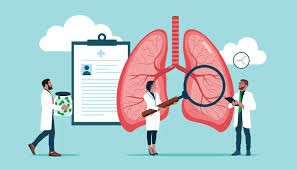
In terms of screening, chest X-rays are one of the preliminary examination methods. Although the changes in the lungs found do not necessarily point to lung cancer, they can provide clues for subsequent examinations. Doctors may order further imaging tests such as CT scans, MRI, or PET-CT based on the X-ray results to more accurately assess the lung condition. In addition, for specific groups of people, such as long-term smokers and people with family genetic history, it is recommended to perform regular low-dose CT screening to increase the detection rate of early lung cancer.
It is worth noting that lung cancer may also cause some atypical symptoms, such as swelling of fingers and nails (clubbing), painful and swollen joints (hypertrophic pulmonary osteoarthrosis), and paraneoplastic syndromes caused by hormones secreted by lung cancer cells. Although these symptoms are uncommon, once they occur, you should be alert to the possibility of lung cancer.
In summary, early detection of lung cancer relies on alertness to symptoms and regular screening. For any suspected symptoms, you should seek medical treatment promptly and follow the advice of professional doctors for further examination to ensure early diagnosis and treatment and improve survival rate and quality of life.
(Common lung cancer treatment drugs include: sotoracib, adagrasiib, entrectinib, lorlatinib, trametinib, dabrafenib, afatinib, osimertinib, crizotinib, etc. For specific drug details, please see the website homepage or click for consultation.)
Reference materials:https://www.cancerresearchuk.org/about-cancer/lung-cancer/symptoms
[ 免责声明 ] 本页面内容来自公开渠道(如FDA官网、Drugs官网、原研药厂官网等),仅供持有医疗专业资质的人员用于医学药学研究参考,不构成任何治疗建议或药品推荐。所涉药品可能未在中国大陆获批上市,不适用于中国境内销售和使用。如需治疗,请咨询正规医疗机构。本站不提供药品销售或代购服务。


