
.jpeg)
How is the efficacy of osimertinib combined with bevacizumab evaluated?
The combined use of osimertinib and bevacizumab has attracted widespread attention in the field of lung cancer treatment. This combination therapy is mainly targeted at patients with EGFR mutation-positive non-small cell lung cancer (NSCLC), especially those who develop resistance to osimertinib after disease progression.
In multiple clinical studies, osimertinib combined with bevacizumab has demonstrated significant efficacy in the treatment of patients with EGFR mutationsNSCLC. For example, in the BOOSTER study, the combination arm showed longer progression-free survival (PFS) compared with osimertinib monotherapy in select patient populations. Especially among patients who were current or former smokers, the improvement in PFS was more pronounced in the combination treatment group. This discovery provides new treatment strategies for patients who do not respond well to traditional EGFR-TKI treatments.
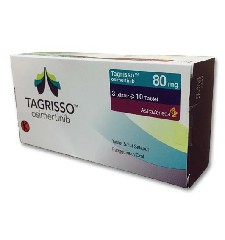
Both osimertinib and bevacizumab can cross the blood-brain barrier and have good therapeutic effects on brain metastases. Studies have shown that for patients with advanced EGFR sensitive mutations and brain metastases NSCLC, osimertinib combined with bevacizumab has shown high efficacy and low toxicity in the first-line treatment. This not only improves the patient's intracranial response rate (IC-ORR), but also significantly extends the intracranial progression-free survival (IC-PFS), bringing better survival benefits to patients.
Although combination therapy may increase the risk of adverse effects, multiple studies have shown that the combination of osimertinib and bevacizumab has a favorable safety profile. Patients generally tolerated the treatment regimen, and the incidence of serious adverse reactions was relatively low. This provides strong support for the widespread application of this combination therapy.
Although combination therapy achieves significant initial efficacy, drug resistance may still occur during long-term treatment. Therefore, when evaluating the efficacy, it is necessary to pay close attention to the patient's disease progression and adjust the treatment plan in a timely manner to deal with possible drug resistance problems.
[ 免责声明 ] 本页面内容来自公开渠道(如FDA官网、Drugs官网、原研药厂官网等),仅供持有医疗专业资质的人员用于医学药学研究参考,不构成任何治疗建议或药品推荐。所涉药品可能未在中国大陆获批上市,不适用于中国境内销售和使用。如需治疗,请咨询正规医疗机构。本站不提供药品销售或代购服务。


