
.jpeg)
How long should the interval between administration of osimertinib and apatinib be?
How long should be the interval between the combined use of osimertinib and apatinib? This question involves specific medication guidance and clinical treatment plans.
Osimertinib and apatinib are both anti-tumor drugs, but their mechanisms of action and indications are different. Osimertinib is mainly used to treat EGFR mutation-positive non-small cell lung cancer, while apatinib is a small molecule targeted anti-tumor drug that mainly acts on the vascular endothelial growth factor receptor (VEGFR). When using these two drugs together, their pharmacokinetic properties, possible interactions, and patient tolerability must be taken into consideration.
Understanding the absorption, distribution, metabolism and excretion processes of two drugs in the body, as well as the possible interactions between them, is the basis for determining the interval between doses. Special attention needs to be paid to patient safety and tolerability when coadministering drugs. Too short a dosing interval may result in high drug concentrations and increase the risk of adverse reactions.
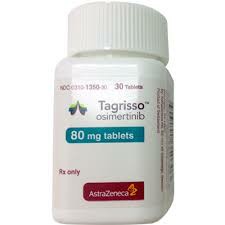
At present, clinical research data may not be sufficient regarding the specific interval between the combined use of osimertinib and apatinib. Therefore, in practical application, it mostly depends on the doctor's experience and the specific situation of the patient.
Due to the lack of specific clinical research data to guide the interval between combined administration of osimertinib and apatinib, in actual practice, this interval is usually determined by doctors based on the patient's specific condition and the characteristics of the drug. Generally speaking, doctors will consider factors such as the patient's liver and kidney function, the half-life of the drug, and the interaction between the two drugs.
In summary, the interval between the combined use of osimertinib and apatinib is not fixed, but needs to be determined based on the patient’s specific condition and the doctor’s guidance. In the absence of specific clinical study data, it is recommended to follow physician guidance and pay close attention to patient response and tolerability to ensure the safety and effectiveness of treatment. At the same time, we also look forward to more clinical studies in the future to provide us with more precise medication guidance.
[ 免责声明 ] 本页面内容来自公开渠道(如FDA官网、Drugs官网、原研药厂官网等),仅供持有医疗专业资质的人员用于医学药学研究参考,不构成任何治疗建议或药品推荐。所涉药品可能未在中国大陆获批上市,不适用于中国境内销售和使用。如需治疗,请咨询正规医疗机构。本站不提供药品销售或代购服务。


