
.jpeg)
What are the side effects of Vyloy (zolbetuximab-clzb)?
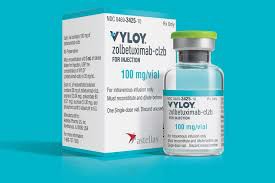
Vyloy (zolbetuximab-clzb) is an antibody drug used to treat locally advanced unresectable or metastatic HER2-negative gastric cancer and gastroesophageal junction adenocarcinoma. It is used in combination with fluoropyrimidine- and platinum-containing chemotherapy regimens, providing a new first-line treatment option for such patients. The mechanism of action of Vyloy is mainly targeting Claudin 18.2 (CLDN 18.2)-positive tumor cells, exerting its anti-tumor effect by inhibiting the growth and spread of tumor cells. Although Vyloy has shown good clinical efficacy, its side effects cannot be ignored, especially in the context of chemotherapy.
InVyloy’s clinical trials, researchers observed a variety of adverse reactions. Among them, the most common adverse reactions with an incidence rate of ≥15% include nausea, vomiting, fatigue, decreased appetite, diarrhea, peripheral sensory neuropathy, abdominal pain, constipation, weight loss, hypersensitivity reactions, and fever. These side effects may affect patients' quality of life while they are receiving treatment, so patients need to be closely monitored before and after treatment.
In laboratory examinations, common abnormal results observed also showed a higher incidence, such as decreased neutrophil count, decreased white blood cell count, decreased albumin, increased creatinine, decreased hemoglobin, increased glucose, decreased lymphocyte count, etc. These laboratory abnormalities may indicate that the patient's immune system is affected or that there is a problem with liver or kidney function. Therefore, doctors need to conduct regular blood tests during treatment to detect and deal with these potential risks in time.
In addition, Vyloy-related warnings and precautions are also important. Severe allergic reactions are a side effect that requires special vigilance, and it is recommended that patients have an allergy history evaluation before receiving treatment with this drug. If a patient has a history of allergies, the doctor may consider alternative treatment options. In addition, severe nausea and vomiting are also common problems during Vyloy treatment, so doctors usually prescribe antiemetic drugs to patients before each infusion to reduce the occurrence of these symptoms.
[ 免责声明 ] 本页面内容来自公开渠道(如FDA官网、Drugs官网、原研药厂官网等),仅供持有医疗专业资质的人员用于医学药学研究参考,不构成任何治疗建议或药品推荐。所涉药品可能未在中国大陆获批上市,不适用于中国境内销售和使用。如需治疗,请咨询正规医疗机构。本站不提供药品销售或代购服务。


