
.jpeg)
Study on the drug resistance period of patients with lung cancer with EGFR mutation after using osimertinib
Osimertinib, a third-generation EGFR tyrosine kinase inhibitor (EGFR-TKI), is widely used to treat patients with non-small cell lung cancer (NSCLC) carrying EGFR mutations. However, despite its early efficacy, patients may develop resistance to osimertinib during use. The length of the drug resistance period is affected by many factors, including the patient's genetic mutation type, the biological characteristics of the tumor, and individual differences.
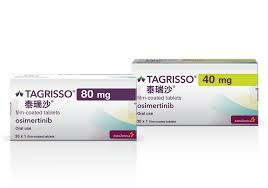
Judging from clinical research data, the resistance time to osimertinib is generally about one and a half years. Specifically, in the global phase III clinical studies of osimertinib, patients usually experience disease progression around 18.9 months. However, this timeframe is not fixed and Asian patients may progress slightly faster relative to global patients. In the Chinese expansion cohort study, Chinese patients can experience progression around 17 months. These data mainly reflect the performance of osimertinib in first-line treatment, and its efficacy is generally better than other first-generation, second-generation and EGFR tyrosine kinase inhibitors.
The reasons for resistance to osimertinib are complex and diverse, mainly including gene mutations and tumor type transformation. At the genetic level, further mutations in the EGFR gene, such as T790M, are a common cause of resistance to previous generations of EGFR TKI treatments. In addition, METamplification, HER2amplification, mutations in the RAS/MAPK pathway, and mutations in the PI3K pathway may also lead to the development of drug resistance. In terms of tumor type transformation, patients with lung adenocarcinoma may undergo tumor type transformation during treatment with osimertinib, such as transformation into small cell carcinoma, which also requires the adoption of different treatment strategies.
Treatment strategies for osimertinib resistance currently include replacement of targeted drugs, chemotherapy, immunotherapy, radiotherapy, and anti-angiogenic treatment. The specific strategy chosen needs to be determined based on the patient's resistance mechanism, physical condition, and doctor's recommendations. For example, if resistance is due to a new genetic mutation, such as METAmplification, you can consider using MET inhibitors; if the resistance mechanism is not clear, systemic chemotherapy may be an option.
[ 免责声明 ] 本页面内容来自公开渠道(如FDA官网、Drugs官网、原研药厂官网等),仅供持有医疗专业资质的人员用于医学药学研究参考,不构成任何治疗建议或药品推荐。所涉药品可能未在中国大陆获批上市,不适用于中国境内销售和使用。如需治疗,请咨询正规医疗机构。本站不提供药品销售或代购服务。


