
.jpeg)
Is the anti-tuberculosis drug bedaquiline included in medical insurance?
Bedaquiline has been included in China's National Reimbursement List, which is a major development that reduces the financial burden for patients with multidrug-resistant tuberculosis (MDR-TB). As a key anti-tuberculosis drug, bedaquiline is highly effective, especially in patients who have developed resistance to conventional anti-tuberculosis drugs (such as isoniazid and rifampicin). However, treatment costs are relatively high, so including it in medical insurance greatly improves patient accessibility.
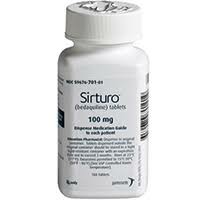
In China, the common specification of bedaquiline is100mg*24 tablets, and the price per box is about 6,000 to 7,000 yuan. Depending on the patient's specific condition and the doctor's treatment plan, a course of treatment usually lasts 24 weeks (6 months), and the total cost can reach tens of thousands of yuan. Since patients can receive a certain percentage of reimbursement after being included in medical insurance, actual expenditures will be significantly reduced. The specific reimbursement ratio and amount depend on the local medical insurance policy and the specific regulations of the hospital. Medical insurance policies vary in different regions. It is recommended that patients consult the local medical insurance department or hospital pharmacy for detailed reimbursement information.
Medical insurance coverage is of great significance to patients and their families, especially when the financial burden is heavy. Including bedaquiline in medical insurance will help improve patients' treatment compliance and ensure that more people can receive standardized anti-tuberculosis treatment, thereby reducing the risk of tuberculosis transmission. Multidrug-resistant tuberculosis is a global health challenge, and drug accessibility is one of the important factors affecting treatment effectiveness. The implementation of medical insurance policies provides these patients with wider treatment opportunities.
Although the price of bedaquiline is higher, medical insurance reimbursement relieves most of the financial pressure, making this drug more affordable. During treatment, patients still need to undergo regular electrocardiogram and liver function monitoring to ensure medication safety and manage potential side effects. Therefore, standardized treatment under the guidance of a doctor and combined with medical insurance reimbursement policies can greatly improve treatment effects and quality of life.
[ 免责声明 ] 本页面内容来自公开渠道(如FDA官网、Drugs官网、原研药厂官网等),仅供持有医疗专业资质的人员用于医学药学研究参考,不构成任何治疗建议或药品推荐。所涉药品可能未在中国大陆获批上市,不适用于中国境内销售和使用。如需治疗,请咨询正规医疗机构。本站不提供药品销售或代购服务。


