
.jpeg)
The difference between ulcerative colitis and colitis
Ulcerative Colitis (UC) and colitis are two different concepts. Although they both involve inflammation of the large intestine, they are significantly different in etiology, clinical manifestations, and treatment strategies. First, colitis is a broad term used to describe inflammation in the large intestine (colon) that can be caused by a variety of causes, including infection, ischemia, drug reactions, and more. Ulcerative colitis is a specific type of colitis and belongs to inflammatory bowel disease (IBD). Its main cause is believed to be related to abnormalities in the autoimmune system.
In terms of triggers, ulcerative colitis is generally thought to be caused by an abnormal response of the immune system to intestinal bacteria and is a chronic and relapsing disease. A patient's immune system mistakenly attacks normal cells in the intestine, leading to ongoing inflammation and ulceration of the mucosa. In contrast, other types of colitis, such as infectious colitis, may be caused by pathogens such as bacteria, viruses, or parasites, and are usually accompanied by acute symptoms that often resolve quickly after the pathogen is controlled.
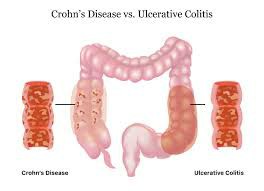
Clinically, patients with ulcerative colitis typically present with diarrhea, often containing blood or pus, along with abdominal pain, weight loss, and fatigue. The severity of the disease's symptoms can vary, and patients may experience acute attacks and periods of remission. With other types of colitis, symptoms can be more varied and depend on what's causing the inflammation. For example, patients with infectious colitis may experience high fever, acute abdominal pain, and severe diarrhea, while ischemic colitis may cause abdominal pain that may be severe and related to eating.
In terms of diagnosis, ulcerative colitis usually requires a colonoscopy, which uses an endoscopy to directly observe inflammation and ulcers in the colon, along with a tissue biopsy to confirm the diagnosis. For other types of colitis, different laboratory tests and imaging may be needed to identify the source of infection or other underlying problems.
Reference materials:https://www.medicalnewstoday.com/articles/colitis-vs-ulcerative-colitis
(Click to view the introduction of drugs for the treatment of ulcerative colitis. For specific drug details, please click for one-to-one consultation.)
[ 免责声明 ] 本页面内容来自公开渠道(如FDA官网、Drugs官网、原研药厂官网等),仅供持有医疗专业资质的人员用于医学药学研究参考,不构成任何治疗建议或药品推荐。所涉药品可能未在中国大陆获批上市,不适用于中国境内销售和使用。如需治疗,请咨询正规医疗机构。本站不提供药品销售或代购服务。


