
.jpeg)
What are the options for taking osimertinib?
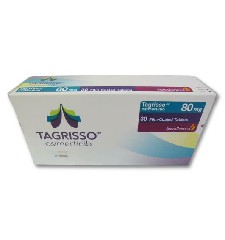
The recommended dose of osimertinib for adults is 80 mg once daily until disease progression or intolerable adverse reactions occur. Tablets should be swallowed whole and not crushed, chewed or broken. This dosage and frequency is based on clinical trials and pharmacokinetic studies and is designed to ensure effective concentrations of the drug in the body while reducing the occurrence of adverse reactions.
Osimertinib can be taken with or on an empty stomach; food does not affect its absorption. Therefore, patients can choose the time to take the medicine according to their eating habits, but it is recommended to take the medicine at the same time every day to ensure the stability and predictability of the drug effect.
For patients with difficulty swallowing, the tablets can be put into50ml of non-carbonated water (no need to crush), stir well and take immediately. This approach can help patients take their medications more smoothly while ensuring accurate dosing.
For patients with hepatic insufficiency, there is no need to adjust the dose for patients with mild or moderate hepatic insufficiency. However, the safety and effectiveness in patients with severe hepatic insufficiency have not yet been determined, and the dosage regimen may need to be adjusted according to specific circumstances.
In patients with renal impairment, no dose adjustment is required in the presence of mild or moderate renal impairment. However, osimertinib should be used with caution in patients with severe renal insufficiency because the drug may accumulate in these patients, increasing the risk of adverse reactions.
Osimertinib may interact with other drugs, especially potent CYP3A4 inducers (e.g., rifampicin, carbamazepine), so concurrent use should be avoided. If these drugs must be coadministered, consideration may need to be given to increasing the dose of osimertinib.
During the medication period, patients should receive regular examinations from their doctor to monitor efficacy and safety. Common side effects include diarrhea, rash, and nail changes, and are usually mild to moderate. Serious side effects such as interstitial lung disease and prolonged QT interval require regular monitoring and prompt treatment.
[ 免责声明 ] 本页面内容来自公开渠道(如FDA官网、Drugs官网、原研药厂官网等),仅供持有医疗专业资质的人员用于医学药学研究参考,不构成任何治疗建议或药品推荐。所涉药品可能未在中国大陆获批上市,不适用于中国境内销售和使用。如需治疗,请咨询正规医疗机构。本站不提供药品销售或代购服务。


