
.jpeg)
Can I stop taking baricitinib once I take it? Will I relapse if I stop taking the medication?
Baricitinib, a drug targeting moderately to severely active rheumatoid arthritis and other autoimmune diseases, has been a source of concern among patients regarding its use and discontinuation. Many patients worry about a question after starting to take baricitinib: Once they start taking it, can they not stop taking it? Will the condition relapse after stopping the medication?
In fact, there are no hard and fast answers to these questions. Whether to discontinue baricitinib and whether the condition will relapse after discontinuation depends on the comprehensive consideration of multiple factors, including the patient's disease type, treatment response, and individual differences.
Baricitinib mainly inhibits theJAK1 and JAK2 signaling pathways to effectively reduce inflammation and autoimmune reactions, thereby improving the condition. For patients with rheumatoid arthritis, baricitinib can be used alone or in combination with methotrexate or other DMARDs to maintain long-term stability of the disease. When the condition is effectively controlled, the doctor may recommend stopping the medication based on the patient's specific condition. But this process must be carried out under the strict guidance of a doctor to ensure that the condition does not rebound.
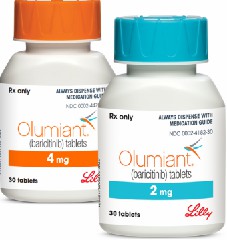
As for whether the condition will relapse after stopping the drug, this is also a complex issue. If a patient responds well to baricitinib and has stable disease control, the likelihood of relapse after discontinuation of the drug is relatively low. However, the risk of relapse after drug discontinuation may be increased in those patients with higher disease activity, comorbidities, or poor response to medication.
It is worth noting that long-term use of baricitinib may cause some side effects, such as hypercholesterolemia, nausea, urinary tract infection, etc. Therefore, during the period of medication, patients need to undergo regular reexaminations to monitor the effects and adverse reactions of the medication, and adjust the medication regimen in a timely manner according to the doctor's recommendations.
In addition, baricitinib has shown significant efficacy in the treatment of severe alopecia areata in adults. However, studies have shown that after successful hair regrowth is achieved, the disease may recur if treatment is discontinued. Therefore, long-term maintenance therapy may be necessary for such patients to prevent recurrence and maintain treatment effects.
In summary, the decision to use and discontinue baricitinib should be made by physicians based on the patient's specific condition and treatment response. While using baricitinib, patients should strictly abide by medical instructions, regularly assess their condition and drug response, and gradually reduce or discontinue the drug under the guidance of a doctor. At the same time, patients should closely observe changes in their condition and seek medical treatment promptly if there are any abnormalities. Currently, the drug is available in China, and a more economical generic version is available in Bangladesh.
[ 免责声明 ] 本页面内容来自公开渠道(如FDA官网、Drugs官网、原研药厂官网等),仅供持有医疗专业资质的人员用于医学药学研究参考,不构成任何治疗建议或药品推荐。所涉药品可能未在中国大陆获批上市,不适用于中国境内销售和使用。如需治疗,请咨询正规医疗机构。本站不提供药品销售或代购服务。


