
.jpeg)
What is the efficacy of osimertinib in targeted therapy of lung cancer?
Osimertinib is highly effective as a targeted therapy for lung cancer, especially when targeting patients with specific types of lung cancer.
Osimertinib is mainly used to treat non-small cell lung cancer with EGFR mutations, especially for patients with T790M mutations. Its efficacy is particularly obvious. As a targeted drug, it can precisely inhibit the activity of EGFR, thereby effectively controlling tumor growth. Clinical trial data show that patients using osimertinib have significantly improved progression-free survival (PFS) and overall survival (OS).
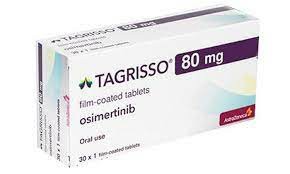
It is worth mentioning that osimertinib has the ability to cross the blood-brain barrier, which gives it unique advantages in the treatment of brain metastases from lung cancer. For patients with brain metastases, osimertinib can more effectively control the growth and spread of tumors in the brain, thereby improving the patient's quality of life and survival.
Compared with traditional chemotherapy methods, osimertinib has higher specificity and lower toxic side effects. In multiple clinical trials, osimertinib has been shown to be superior to traditional chemotherapy in prolonging PFS and OS. In addition, compared with first- or second-generation EGFR inhibitors, osimertinib has better efficacy in patients with drug-resistant mutations (such as the T790M mutation).
Although some side effects may occur during the use of osimertinib, most patients are able to tolerate these reactions and effectively manage them under the guidance of a doctor. By closely monitoring adverse reactions and promptly adjusting the medication regimen, patients' safety and tolerability can be ensured during the use of osimertinib.
[ 免责声明 ] 本页面内容来自公开渠道(如FDA官网、Drugs官网、原研药厂官网等),仅供持有医疗专业资质的人员用于医学药学研究参考,不构成任何治疗建议或药品推荐。所涉药品可能未在中国大陆获批上市,不适用于中国境内销售和使用。如需治疗,请咨询正规医疗机构。本站不提供药品销售或代购服务。


