
.jpeg)
What are the stages of kidney cancer and what are its specific manifestations?
Renal cell carcinoma, a disease in which cancer cells are found in the lining of kidney tubules, is the most common type of kidney cancer in adults. Kidneys, as important organs in our body, are not only responsible for filtering and purifying blood, but also responsible for producing urine, regulating water and electrolyte balance in the body, etc. However, when kidney cells become cancerous, all this is seriously threatened. The staging of renal cell carcinoma, as an important indicator to describe the progression of cancer in the body, is of vital significance for formulating treatment plans and predicting prognosis.
Renal cell carcinoma is usually staged using theTNM staging system, which comprehensively evaluates the severity of the cancer based on tumor size (T), lymph node involvement (N), and the presence of distant metastasis (M). According to the results of the TNM system, renal cell carcinoma is divided into four stages: I, II, III, and IV. Each stage represents a different development status of the cancer in the body.
In Stage I (Stage 1) renal cell carcinoma, the tumor is usually no larger than 7 centimeters in size and is limited to the inside of the kidney and has not invaded surrounding tissues or organs. Cancer at this stage often has a better prognosis because the tumor has not spread yet and is relatively easy to treat.
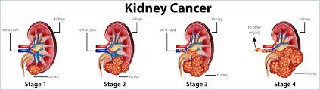
After entering Stage II (stage 2), the size of the tumor will exceed 7 cm, but it will still be limited to the kidney. Despite the increase in tumor size, it is still possible to achieve better treatment results as long as it is detected in time and effective treatment measures are taken.
When cancer progresses to Stage III (Stage 3), the situation becomes more complicated. At this time, the tumor may have invaded the fatty tissue around the kidney, lymph nodes, and may even have entered the renal vein or inferior vena cava. Cancer treatment at this stage becomes more difficult and requires comprehensive consideration of multiple treatments such as surgery, radiotherapy, and chemotherapy.
As for stage IV (stage 4) renal cell carcinoma, the cancer has metastasized to distant sites, such as the bones, liver, lungs, brain, adrenal glands, or distant lymph nodes. This stage of cancer, called metastatic renal cell carcinoma, is extremely difficult to treat because it requires dealing with both the primary tumor and multiple metastases. Nonetheless, as medical technology continues to advance, there are still treatments that can help patients survive longer and improve their quality of life.
It is worth noting that renal cell carcinoma may still relapse after treatment, so patients need regular review and monitoring to detect and deal with any possible recurrence in a timely manner. By understanding the stages of renal cell carcinoma and its specific manifestations, we can better understand the disease and provide patients with more precise and effective treatments.
(Click to view an introduction to drugs for the treatment of kidney cancer)
References:
https://www.cancer.gov/types/kidney/patient/kidney-treatment-pdq
[ 免责声明 ] 本页面内容来自公开渠道(如FDA官网、Drugs官网、原研药厂官网等),仅供持有医疗专业资质的人员用于医学药学研究参考,不构成任何治疗建议或药品推荐。所涉药品可能未在中国大陆获批上市,不适用于中国境内销售和使用。如需治疗,请咨询正规医疗机构。本站不提供药品销售或代购服务。


