
.jpeg)
The role and efficacy of Tevimbra (Tislelizumab-jsgr)
Tevimbra (Tislelizumab-jsgr) is a new type of anti-PD-1 monoclonal antibody, belonging to the IgG4 variant. Its main function is to enhance the body's anti-tumor immune response by inhibiting the PD-1 pathway. This drug is specifically indicated for the treatment of unresectable, locally advanced or metastatic esophageal squamous cell carcinoma. PD-1 is an immune checkpoint receptor expressed on the surface of T cells. When combined with its ligands PD-L1 and PD-L2, it inhibits the proliferation of T cells and the production of cytokines, resulting in the suppression of immune responses. The upregulation of PD-1 ligands is common in various tumors, and this mechanism allows tumors to evade surveillance and attack by the immune system.
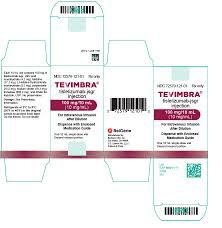
Tislelizumab-jsgr, the main component of Tevimbra, specifically binds to the PD-1 receptor and blocks its interaction with PD-L1 and PD-L2, thereby relieving PD-1-mediated immune suppression. This mechanism can not only activate the proliferation of T cells, but also promote their secretion of cytokines, enhancing the intensity and sustainability of the anti-tumor immune response. Studies have shown that Tislelizumab-jsgr has a significant inhibitory effect on tumor growth in xenograft models and human PD-1 transgenic mouse models, indicating its potential in tumor immunotherapy.
From a pharmacokinetic perspective, Tevimbra exhibits good properties. It can bind to human PD-1 with high specificity and affinity, with a dissociation constant of 0.15 nmol/L. In clinical trials, when a dose of 5 mg/kg was given, the occupancy rate of PD-1 receptors exceeded 90%, which means that most of the PD-1 receptors were effectively occupied by Tevimbra, thus achieving an improvement in immune response.
The pharmacokinetics (PK) of Tevimbra was characterized using a population PK analysis using concentration data from 2596 patients with advanced malignancies who received Tevimbra at doses of 0.5-10 mg/kg every 2 weeks, 2.0 and 5.0 mg/kg every 3 weeks, and 200 mg every 3 weeks. After a 200 mg dose every 3 weeks, the time to reach 90% of steady-state levels is approximately 84 days (12 weeks), and the steady-state cumulative ratio of Tevimbra's PK exposure is approximately 2-fold. Tislelizumab is administered intravenously and is therefore immediately and fully bioavailable.
Reference materials:https://go.drugbank.com/drugs/DB14922
[ 免责声明 ] 本页面内容来自公开渠道(如FDA官网、Drugs官网、原研药厂官网等),仅供持有医疗专业资质的人员用于医学药学研究参考,不构成任何治疗建议或药品推荐。所涉药品可能未在中国大陆获批上市,不适用于中国境内销售和使用。如需治疗,请咨询正规医疗机构。本站不提供药品销售或代购服务。


