
.jpeg)
Can baricitinib monotherapy and topical corticosteroids treat moderate to severe atopic dermatitis?
Atopic dermatitis (Atopic Dermatitis, referred to as AD) is a chronic, relapsing, inflammatory skin disease characterized by severe itching and eczema-like skin lesions, which seriously affects the patient's quality of life.
The efficacy of baricitinib as a single agent in the treatment of atopic dermatitis has been verified in multiple clinical trials. For example, in a project as of 2024year8month from PubMed, Cochrane Data from Central, ScienceDirect, and ClinicalTrials.gov, compared with placebo,
In addition, baricitinib was excellent at improving symptoms of pruritus. Itching is one of the most unbearable symptoms for patients with atopic dermatitis, which seriously affects the patient's quality of life. Baricitinib inhibits the JAK-STAT signaling pathway, thereby reducing the release of inflammatory mediators and effectively reducing the degree of itching. In clinical trials, patients treated with baricitinib began to experience significant improvements in pruritus symptoms as early as 2 weeks after treatment, and this improvement continued until the end of treatment.
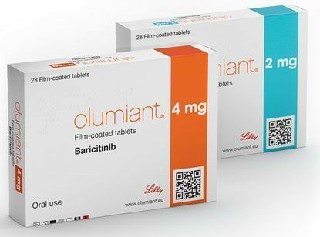
Topical corticosteroids are commonly used treatments for atopic dermatitis, but long-term use may cause side effects such as skin atrophy and pigmentation. Combining baricitinib with topical corticosteroids is designed to increase efficacy while reducing corticosteroid dosage and side effects.
Baricitinib inhibits the inflammatory response through systemic effects, while topical corticosteroids exert anti-inflammatory effects locally in the skin lesion. This combination therapy demonstrated significant synergistic effects in clinical trials. Combination therapy improves skin lesions and pruritus more quickly and requires less corticosteroids than corticosteroids alone.
Additionally, combination therapy can help reduce the side effects of corticosteroids. Due to the systemic anti-inflammatory effect of baricitinib, the dosage of topical corticosteroids can be reduced, thereby reducing the risk of side effects such as skin atrophy and pigmentation.
In clinical trials, baricitinib demonstrated a favorable safety profile both as monotherapy and in combination with topical corticosteroids. The most common adverse reactions included headache, upper respiratory tract infection, and nausea, but most were mild to moderate, and the incidence was similar to that in the placebo group. The incidence of serious adverse events was very low, and no serious adverse events directly related to baricitinib treatment were observed.
It is worth noting that although baricitinib has shown good safety in clinical trials, in actual applications, it is still necessary to pay attention to monitoring patients' liver function and blood lipid levels and other indicators to ensure the safety of the drug.
References:
https://www.frontiersin.org/journals/allergy/articles/10.3389/falgy.2024.1486271/full
[ 免责声明 ] 本页面内容来自公开渠道(如FDA官网、Drugs官网、原研药厂官网等),仅供持有医疗专业资质的人员用于医学药学研究参考,不构成任何治疗建议或药品推荐。所涉药品可能未在中国大陆获批上市,不适用于中国境内销售和使用。如需治疗,请咨询正规医疗机构。本站不提供药品销售或代购服务。


