
.jpeg)
The final death process of glioblastoma
The late development of glioblastoma (GBM) is usually a gradual process, with patients gradually developing a variety of systemic and neurological symptoms. As the tumor grows and compresses the brain tissue, the patient's physical functions gradually decline, eventually leading to death. The following are common stages in the death process:
1. Deterioration of neurological function: Patients with advanced stages of GBM may develop severe neurological dysfunction. Increased intracranial pressure caused by tumors can cause persistent severe headaches, nausea, vomiting, and blurred vision. Some patients may completely lose speech, motor or sensory functions, or even develop hemiparesis.
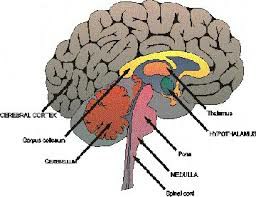
2. Gradual loss of consciousness: As the tumor further develops, the patient may fall into a state of continuous lethargy. Consciousness gradually becomes blurred, and in severe cases, coma may develop. This is mainly due to the tumor compressing the brainstem or important functional areas of the brain, causing brain dysfunction.
3. Epileptic seizures: Epilepsy is very common in the late stages of GBM and may manifest as frequent focal or generalized seizures. Seizures further impair brain function and may accelerate the condition's progression.
4. Systemic failure: As the disease enters the terminal stage, patients often develop infections, bedsores, malnutrition and other problems due to long-term bed rest. Pulmonary infections (such as aspiration pneumonia) and poor blood circulation (such as deep vein thrombosis, pulmonary embolism) are common complications and often become the direct cause of death.
5. Multiple organ failure: Eventually, due to the tumor's comprehensive invasion of the brain and the systemic problems it causes, the patient will suffer from multiple organ failure until the heartbeat and breathing stop.
Humanistic care
Palliative care and palliative care are critical during the dying process to help reduce pain and symptoms and improve the patient’s quality of life at the end of life.
(Click to view an introduction to drugs for the treatment of glioblastoma.)
xa0
Reference materials
1.National Cancer Institute. Glioblastoma Symptoms and Progression.
https://www.cancer.gov
2.American Brain Tumor Association. End-of-life Care for Brain Tumor Patients.
https://www.abta.org
3.UpToDate. Symptom Management in Glioblastoma Patients. https://www.uptodate.com
[ 免责声明 ] 本页面内容来自公开渠道(如FDA官网、Drugs官网、原研药厂官网等),仅供持有医疗专业资质的人员用于医学药学研究参考,不构成任何治疗建议或药品推荐。所涉药品可能未在中国大陆获批上市,不适用于中国境内销售和使用。如需治疗,请咨询正规医疗机构。本站不提供药品销售或代购服务。


