
.jpeg)
What type of drug is the new anti-tuberculosis drug bedaquiline?
Bedaquiline, as a new type of dinaphthylcarboxamide drug, has emerged in the field of anti-tuberculosis in recent years, especially in the treatment of multidrug-resistant tuberculosis (MDR-TB). The drug specifically targets those TB infections that are resistant to traditional anti-TB drugs, such as isoniazid and rifampicin, offering doctors and patients new hope for treatment.
The reason why bedaquiline stands out among many anti-tuberculosis drugs is mainly due to its unique mechanism of action. It does not directly attack a certain structure or function of tuberculosis bacteria like traditional drugs, but cleverly targets and inhibits ATP synthase, a key enzyme. ATP synthase is the core of energy metabolism of tuberculosis bacteria and is responsible for synthesizing the ATP molecules necessary for bacterial growth. By blocking this energy generation process, bedaquiline causes the tuberculosis bacteria to gradually run out of energy and eventually die. This innovative targeting mechanism not only improves the antibacterial effect of the drug, but also significantly reduces cross-resistance with other drugs, which is undoubtedly a huge boon for tuberculosis patients who cannot receive standard treatment due to drug resistance.
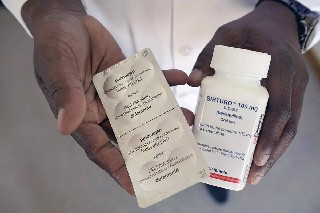
In view of bedaquiline's excellent performance in treating multidrug-resistant tuberculosis, the World Health Organization (WHO) has listed it as one of the core drugs for the treatment of this disease, and it is especially recommended for severe patients who have no other effective treatment options. This move not only reflects the important status of bedaquiline in the medical community, but also highlights its key role in addressing the global health challenge-multidrug-resistant tuberculosis.
However, as with all medications, bedaquiline should be used with caution. It may cause some adverse reactions, such as QT interval prolongation (which increases the risk of arrhythmia) and liver function damage. Therefore, during the period of using bedaquiline, patients must be treated under strict supervision by doctors and undergo regular electrocardiogram and liver function tests to ensure the safety and effectiveness of the medication.
Usually, bedaquiline is given as a complete 24 week course and is given in combination with other anti-tuberculosis drugs. Such treatment options are designed to achieve optimal therapeutic effects and reduce the risk of drug resistance, giving patients better hope for recovery.
[ 免责声明 ] 本页面内容来自公开渠道(如FDA官网、Drugs官网、原研药厂官网等),仅供持有医疗专业资质的人员用于医学药学研究参考,不构成任何治疗建议或药品推荐。所涉药品可能未在中国大陆获批上市,不适用于中国境内销售和使用。如需治疗,请咨询正规医疗机构。本站不提供药品销售或代购服务。


