
.jpeg)
How to Diagnose Nasopharyngeal Cancer
Patients with nasopharyngeal cancer may experience symptoms such as nasal congestion, blood in the nose, tinnitus or hearing loss, headache, and swollen lymph nodes in the neck. The doctor will first inquire about the patient's medical history and symptoms in detail, and conduct a preliminary physical examination to assess whether there are suspected symptoms of nasopharyngeal cancer.
Endoscopy is one of the important means to diagnose nasopharyngeal cancer. The doctor will use endoscopic equipment such as a nasopharyngoscope or laryngoscope to enter the nasopharynx through the nasal cavity and directly observe whether there are any abnormalities, masses, etc. in the mucosa. If a suspected lesion is found, further biopsy may be performed.
Imaging examinations play a crucial role in the diagnosis of nasopharyngeal cancer. Commonly used imaging methods include:
CT Scan: It can clearly show the changes in the surface structure of the nasopharynx, and at the same time understand the bone structure and lymph node conditions of the nasopharynx and neck.
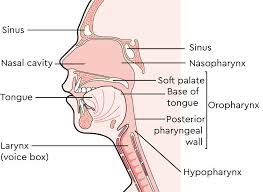
MRIExamination: It has a high resolution of soft tissue and can determine the location, size and invasion range of the tumor, which is helpful for the observation of recurrence of nasopharyngeal cancer after radiotherapy.
PET-CT Scan: It can evaluate the systemic metastasis of tumors and is of great significance for understanding the staging of tumors and formulating treatment plans.
Tissue biopsy is the gold standard for diagnosing nasopharyngeal cancer. Doctors will obtain tissue samples from the nasopharynx through nasopharyngoscopy or surgery, and conduct pathological examination to determine the type and degree of differentiation of the tumor.
In addition to the above-mentioned examinations, doctors may also conduct other examinations based on the patient's specific conditions, such as EB virus serological examination, nasal endoscopy, etc. EBThere is a certain correlation between EBV and nasopharyngeal cancer. EBVDNA can be detected through serological examination, which provides auxiliary basis for the diagnosis of nasopharyngeal cancer.
Doctors will conduct a comprehensive evaluation based on the patient's clinical manifestations, endoscopy, imaging examinations, tissue biopsy and other examination results to finally diagnose whether it is nasopharyngeal cancer. Once diagnosed, doctors will develop a personalized treatment plan based on the stage of the tumor and the patient's specific situation.
(Click to view an introduction to drugs for the treatment of nasopharyngeal cancer)
References:
https://www.cancer.org/cancer/types/nasopharyngeal-cancer/detection-diagnosis-staging/how-diagnosed.html
[ 免责声明 ] 本页面内容来自公开渠道(如FDA官网、Drugs官网、原研药厂官网等),仅供持有医疗专业资质的人员用于医学药学研究参考,不构成任何治疗建议或药品推荐。所涉药品可能未在中国大陆获批上市,不适用于中国境内销售和使用。如需治疗,请咨询正规医疗机构。本站不提供药品销售或代购服务。


