
.jpeg)
Detailed explanation of the indications of everolimus, which patients is it suitable for?
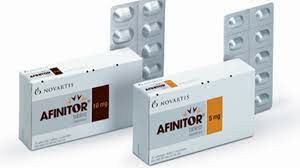
Everolimus, developed by the Swiss pharmaceutical company Novartis, is an oral mammalian target of rapamycin (mTOR) inhibitor. It inhibits the growth and proliferation of tumor cells by blocking the mTOR signaling pathway, thereby showing significant efficacy in the treatment of various cancers. The broad indications of everolimus make it a treatment option for many patients, and its applicable patient groups are described in detail below.
Everolimus is suitable for use in combination with exemestane to treat postmenopausal women with advanced hormone receptor-positive, HER2-negative breast cancer after failure of letrozole or anastrozole. This combination therapy can prolong the progression-free survival of patients and provide a new treatment option for patients who are resistant to first-line endocrine therapy.
Everolimus is also an effective treatment for adult patients with unresectable, locally advanced or metastatic progressive neuroendocrine tumors of pancreatic origin (PNET). It can help control tumor growth and extend patients' survival.
Similarly, everolimus is also indicated for adult patients with unresectable, locally advanced or metastatic advanced well-differentiated non-functional gastrointestinal (GI) or pulmonary disease. These patients often face difficulties with surgical treatment, and everolimus provides them with a non-surgical treatment option.
In the treatment of renal cell carcinoma, everolimus is indicated for adult patients with advanced renal cell carcinoma who have failed treatment with sunitinib or sorafenib. It offers new treatment hope for patients who have failed first-line targeted drug treatments.
In addition, everolimus is indicated for adult patients with renal angiomyolipomas associated with tuberous sclerosis complex (TSC) who generally do not require immediate surgical treatment. Everolimus can help control tumor growth and delay the need for surgery.
Everolimus has also shown significant efficacy in adult and pediatric patients 1 year of age and older with TSC-associated subependymal giant cell astrocytoma (SEGA) who require therapeutic intervention but cannot be cured. It can help control tumor growth and reduce the risks of surgery.
Finally, everolimus is also indicated as adjuvant treatmentAdult and pediatric patients 2 years of age and older with TSC-related partial-onset epilepsy. It can help control epileptic seizures and improve patients' quality of life.
In summary, everolimus has become a treatment option for patients with a variety of cancers and tuberous sclerosis-related diseases due to its wide range of indications and significant efficacy. However, patients should consult a professional physician before use to ensure the safety and effectiveness of the treatment plan.
[ 免责声明 ] 本页面内容来自公开渠道(如FDA官网、Drugs官网、原研药厂官网等),仅供持有医疗专业资质的人员用于医学药学研究参考,不构成任何治疗建议或药品推荐。所涉药品可能未在中国大陆获批上市,不适用于中国境内销售和使用。如需治疗,请咨询正规医疗机构。本站不提供药品销售或代购服务。


