
.jpeg)
How to detect rheumatic immune disease
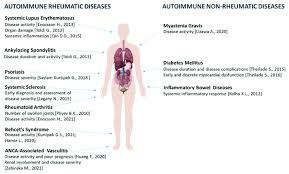
The diagnosis of rheumatic diseases is a complex and systematic process that usually requires medical professionals to comprehensively consider the patient's clinical symptoms, medical history, physical examination results, and a series of laboratory and imaging examination results.
The patient's clinical symptoms are an important basis for diagnosis. Symptoms of rheumatic immune diseases may vary. The most common include joint pain, swelling, morning stiffness, fatigue and general malaise. Some patients may also develop rashes, mouth ulcers, kidney problems, or other systemic manifestations. During the initial evaluation, the doctor will carefully inquire about the nature, duration, and influencing factors of symptoms to obtain preliminary information about the disease.
The doctor will ask about the patient's family history, past disease history, and lifestyle. For example, whether other members of the family have similar rheumatic immune diseases, whether there is a known history of infection or external triggers, etc. Such information could help doctors determine whether a patient has a genetic predisposition or environmental trigger.
Commonly used examination items include blood routine, inflammatory indicators (such asC-reactive protein, erythrocyte sedimentation rate) and autoantibody detection (such as antinuclear antibody ANA, rheumatoid factor RF, anti-cyclic citrullinated peptide antibody and anti-CCP, etc.). These tests can provide information about the level of inflammatory activity and immune system abnormalities, helping to differentiate between different types of rheumatic immune diseases.
Imaging examinations are also an important auxiliary tool for the diagnosis of rheumatic immune diseases. X-rays can help evaluate structural changes in joints, while CT and MRI can provide more detailed images of soft tissue and bone structure. These examinations can reveal early signs of joint damage and provide the basis for early diagnosis and intervention.
(Click to view an introduction to drugs for the treatment of rheumatic and immune diseases)
Reference materials:https://www.medcentral.com/pain/chronic/guide-laboratory-testing-patients-suspected-rheumatic-disease
[ 免责声明 ] 本页面内容来自公开渠道(如FDA官网、Drugs官网、原研药厂官网等),仅供持有医疗专业资质的人员用于医学药学研究参考,不构成任何治疗建议或药品推荐。所涉药品可能未在中国大陆获批上市,不适用于中国境内销售和使用。如需治疗,请咨询正规医疗机构。本站不提供药品销售或代购服务。


