
.jpeg)
Diseases for which bedaquiline is applicable
In the field of anti-tuberculosis drugs, bedaquiline (Bedaquiline), as a new drug, is gradually showing its unique advantages in the treatment of multidrug-resistant tuberculosis (MDR-TB). MDR-TB, as the most difficult type of tuberculosis, has developed resistance to conventional first-line anti-tuberculosis drugs such as isoniazid and rifampin, posing great challenges to treatment.
Bedaquiline has a unique mechanism of action. It mainly inhibits the activity of ATP synthase in Mycobacterium tuberculosis, destroying the energy supply system of bacteria, thereby achieving a bactericidal effect. Since ATP synthase is a key enzyme for the survival and reproduction of Mycobacterium tuberculosis, bedaquiline can accurately hit the "vital " of the bacteria and effectively inhibit its proliferation.
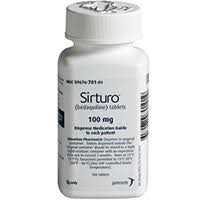
In clinical application, bedaquiline is usually used in combination with other anti-tuberculosis drugs to form a comprehensive treatment plan. Such combination therapy can not only improve the therapeutic effect, but also reduce the risk of drug resistance. The treatment cycle is generally 24 weeks, but the specific plan will be personalized based on the patient's actual situation and drug response.
Although bedaquiline has shown significant efficacy in treatingMDR-TB, its use is also associated with certain risks. In particular, it may prolong the QT interval and increase the risk of arrhythmias. Therefore, patients need to undergo regular electrocardiogram checks while taking the medication to ensure heart health. At the same time, side effects such as nausea, joint pain, headache, and abnormal liver function also require close attention. To ensure the safety of treatment, patients should maintain close communication with their doctors and promptly report any discomfort.
It is worth mentioning that bedaquiline has been listed by the World Health Organization as an important drug for the treatment ofMDR-TB, especially in patients where traditional treatments have failed or are highly resistant. In areas with high incidence of tuberculosis, such as India and some African countries, the introduction of bedaquiline has brought new treatment hope to MDR-TB patients. At present, scientific researchers are still constantly exploring and optimizing the use strategies of bedaquiline, hoping to be more widely used in various types of tuberculosis patients in the future and contribute more to global tuberculosis prevention and control.
[ 免责声明 ] 本页面内容来自公开渠道(如FDA官网、Drugs官网、原研药厂官网等),仅供持有医疗专业资质的人员用于医学药学研究参考,不构成任何治疗建议或药品推荐。所涉药品可能未在中国大陆获批上市,不适用于中国境内销售和使用。如需治疗,请咨询正规医疗机构。本站不提供药品销售或代购服务。


