
.jpeg)
If basal cell carcinoma is completely removed, will it recur?
Basal cell carcinoma, also known as basal cell epithelioma, is a malignant tumor originating from the basal layer of the epidermis. It is the most common type of skin cancer, accounting for more than 80% of all skin cancer cases. Although it grows slowly and usually does not spread to other parts of the body, it is aggressive and, if not treated in time, may invade surrounding tissues and metastasize, thus posing a life-threatening threat. Fortunately, basal cell carcinoma is less malignant, has a relatively slow course, and is sensitive to radiotherapy. Therefore, surgical resection, especially for early-stage basal cell carcinoma, can usually achieve a high cure rate. In 3500multiple cases, the results of routine complete surgical resection showed that the local recurrence rate ranged from 0.35-1.9% during different follow-up observation periods, indicating that complete resection should cure the disease.
Although the recurrence rate after surgical resection is relatively low, recurrence is not impossible. This is mainly related to factors such as the thoroughness of surgical resection, the location and type of the tumor, and the patient's immune function status.
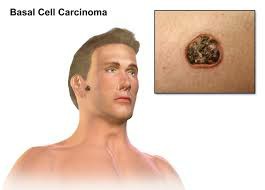
If the surgical resection is not clean, such as the tumor boundary is not accurately judged, the resection range is not enough, or the surgical operation is not precise, the remaining cancer cells may lead to recurrence. In addition, certain subtypes of basal cell carcinoma, such as those that are invasive or have multicentric growth, inherently carry a higher risk of recurrence. Furthermore, if patients have low immune function or are continuously exposed to cancer-causing factors such as ultraviolet rays after surgery, the probability of recurrence may also increase.
Therefore, even if basal cell carcinoma is successfully removed surgically, patients still need to be followed up closely. This includes regular local skin examinations to detect possible signs of recurrence early. At the same time, maintaining good living habits, such as regular work and rest, a balanced diet, moderate exercise, quitting smoking and limiting alcohol, and avoiding excessive exposure to the sun, can help reduce the risk of recurrence.
In general, although the risk of recurrence of basal cell carcinoma is low after clean removal, vigilance still needs to be maintained. By having regular follow-up visits, maintaining a healthy lifestyle, and following your doctor's follow-up plan, you can minimize the risk of recurrence and ensure your patient's long-term health.
(Click to view an introduction to drugs for the treatment of basal cell carcinoma)
Reference: https://www.jprasurg.com/article/S0007-1226(05)00060-3/pdf
[ 免责声明 ] 本页面内容来自公开渠道(如FDA官网、Drugs官网、原研药厂官网等),仅供持有医疗专业资质的人员用于医学药学研究参考,不构成任何治疗建议或药品推荐。所涉药品可能未在中国大陆获批上市,不适用于中国境内销售和使用。如需治疗,请咨询正规医疗机构。本站不提供药品销售或代购服务。


