
.jpeg)
Everolimus can treat lung cancer
Everolimus does have certain potential and effect in the treatment of lung cancer, but whether it is suitable for use needs to be evaluated by a doctor based on the individual situation of the patient.
Everolimus is a tyrosine kinase inhibitor that regulates tumor growth and proliferation by blocking downstream signaling pathways. It can inhibit the activity of mTOR, thereby inhibiting tumor angiogenesis and achieving anti-tumor effects. In addition, everolimus may also have immunomodulatory functions and can promote the body's anti-tumor immunity.
Everolimus is effective for some patients with non-small cell lung cancer, especially for certain types of non-small cell lung cancer, such as anaplastic large cell lymphoma or neuroendocrine cancer. Everolimus may have a certain effect. However, not all non-small cell lung cancers are suitable for this drug. For example, adenocarcinoma, squamous cell carcinoma and other types are usually insensitive to this drug.
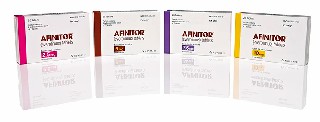
Everolimus may be effective in lung adenocarcinomas with PI3K/AKT/mTOR pathway activating gene mutations, but molecular testing is needed to determine suitability.
Preclinical studies have confirmed that everolimus has significant activity against small cell lung cancer (SCLC) cell lines and xenograft lines. A phase II clinical trial showed that everolimus was well tolerated in second-line treatment of patients with SCLC, but its anti-tumor activity was limited. Several phase II clinical trials of everolimus combined with standard chemotherapy regimens to treat patients with SCLC are currently ongoing.
Everolimus may cause a series of side effects, such as hypertension, hypokalemia, anemia, etc. In severe cases, proteinuria, hypercholesterolemia, gastrointestinal perforation, etc. may occur. If the above symptoms occur, it is recommended to seek medical treatment in time. If necessary, the medication can be stopped for observation under the guidance of a doctor.
Due to individual patient differences, the efficacy of everolimus may vary in different patients. Therefore, molecular testing is required before use to determine whether the drug is suitable for use.
Everolimus is a prescription drug and needs to be used under the guidance of a professional physician. The doctor will decide the dosage and course of treatment based on the patient's specific conditions.
References:
https://pmc.ncbi.nlm.nih.gov/articles/PMC7355078/
[ 免责声明 ] 本页面内容来自公开渠道(如FDA官网、Drugs官网、原研药厂官网等),仅供持有医疗专业资质的人员用于医学药学研究参考,不构成任何治疗建议或药品推荐。所涉药品可能未在中国大陆获批上市,不适用于中国境内销售和使用。如需治疗,请咨询正规医疗机构。本站不提供药品销售或代购服务。


