
.jpeg)
What issues should you pay attention to when taking sotoracib?
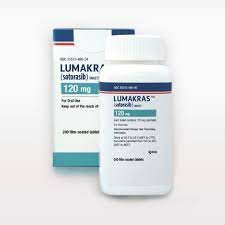
When using Sotorasib (Sotorasib) for the treatment of KRAS G12C mutated non-small cell lung cancer (NSCLC), patients and medical staff need to pay attention to a number of important issues to ensure the safety and therapeutic effect of the drug. Here are a few key things to note when taking sotoraxib:
1. Taking method and dosage
Dosage time: Sotoraxib is usually taken once a day, and it is recommended to take it at the same time to maintain stable drug concentration. Avoid missing doses or taking repeated doses.
How to take: The medicine should be swallowed whole and should not be chewed or broken. It is recommended to take it on an empty stomach, that is, 1 hours before meals or 2 hours after meals to enhance drug absorption.
Dose adjustment: The initial recommended dose is960 mg. If side effects occur, the dose may need to be adjusted according to the doctor's advice. It is strictly prohibited to change the dosage yourself.
2. Side Effect Monitoring
Common side effects: Side effects of sotorasiib include fatigue, diarrhea, nausea, loss of appetite, abnormal liver function, etc. Patients should pay close attention to these symptoms during medication and report them to their doctor in a timely manner.
Severe adverse reactions: If symptoms such as jaundice, severe diarrhea, persistent nausea, abdominal pain or rash occur, you need to contact your doctor immediately. The drug may need to be discontinued or the treatment plan may need to be adjusted.
Regular examinations: Patients need regular blood tests to monitor liver function and other indicators that may be affected. The doctor will adjust the treatment plan based on the test results.
3. Drug interactions
Avoid use with certain medications: Sotoraxib may interact with certain medications, such as certain anti-epileptic drugs, antibiotics, and antifungals. Always tell your doctor about all the medications you are taking, including prescription drugs, over-the-counter drugs, and herbal supplements before using other medications.
Dietary Effects: Certain foods may affect the absorption of sotorasiib, especially high-fat meals. Patients should consult their doctor or pharmacist before taking this medication to learn about possible dietary restrictions.
4. Combined disease management
Underlying diseases: If patients have other comorbid diseases (such as liver disease, heart disease, diabetes, etc.), they should inform their doctor before using sotorasibu. These diseases may affect drug metabolism and therapeutic efficacy.
Immune system status: A patient's immune system status may also affect treatment response. During the medication, you need to pay attention to the symptoms of infection and seek medical treatment in time.
5. Mental health support
Psychological support: Cancer treatment may cause psychological stress and anxiety to patients. Patients should seek psychological support, including counseling and attending support groups, to help cope with mood swings during treatment.
Family participation: Encourage family members to participate in the patient's treatment process and understand medication precautions and side effects, so as to provide timely care and help when the patient becomes unwell.
6. Signs of terminating treatment
Resistance monitoring: Patients need to undergo regular imaging examinations and genetic testing during treatment with sotoraxib to evaluate treatment effects and possible drug resistance. If your condition progresses, you should discuss possible alternative treatments with your doctor.
Indications for discontinuation of medication: If serious adverse reactions or signs of drug resistance occur, patients should communicate with their doctors in a timely manner, as the medication may need to be discontinued or the treatment plan changed.
Sotoracib is a new type of targeted drug forKRAS G12CMutated non-small cell lung cancer patients offer effective treatment options. During the medication process, patients need to pay attention to medication methods, side effects, drug interactions, and management of concurrent diseases to ensure the safety and effectiveness of treatment. Maintaining good communication with medical staff can help solve problems encountered during medication in a timely manner and improve treatment effects.
[ 免责声明 ] 本页面内容来自公开渠道(如FDA官网、Drugs官网、原研药厂官网等),仅供持有医疗专业资质的人员用于医学药学研究参考,不构成任何治疗建议或药品推荐。所涉药品可能未在中国大陆获批上市,不适用于中国境内销售和使用。如需治疗,请咨询正规医疗机构。本站不提供药品销售或代购服务。


