
.jpeg)
Do I need to take Pirfenidone/Axri for life?
Pirfenidone/Pirfenidone is a drug used to treat idiopathic pulmonary fibrosis (IPF). Idiopathic pulmonary fibrosis is a progressive lung disease characterized by progressive scarring (fibrosis) of lung tissue, causing patients to gradually develop symptoms such as difficulty breathing, dry cough, and decreased activity tolerance. As an anti-fibrotic drug, the efficacy of pirfenidone has been supported by numerous clinical studies.
The main mechanism of pirfenidone lies in its anti-fibrotic and anti-inflammatory effects. In clinical trials, pirfenidone significantly slowed down the decline in lung function in IPF patients and delayed the progression of the disease. Studies have shown that patients who took pirfenidone had a significantly lower rate of decline in lung function (usually measured as vital capacity or DLCO value) over time than those who received a placebo. In addition, pirfenidone has been found to improve patients' quality of life and reduce breathing difficulties.
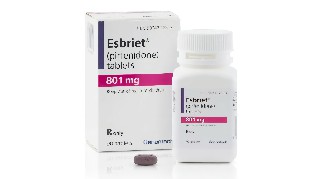
Specifically, pirfenidone exerts its effects through multiple pathways. First, it can inhibit the proliferation of fibroblasts and collagen production, which play an important role in the pathological process of idiopathic pulmonary fibrosis. Fibroblasts are a key cell type in the fibrosis process. Excessive proliferation and activation can lead to the deposition of large amounts of collagen, thereby aggravating fibrosis in the lungs. Secondly, pirfenidone can also inhibit the activity of profibrotic factors such as transforming growth factor β (TGF-β) and reduce its expression in the lungs. These mechanisms work together to reduce lung tissue damage and fibrosis processes.
Regarding the question of whether lifelong medication is required, the treatment plan for pirfenidone generally depends on the development of the patient's condition and the evaluation of the doctor. Typically, idiopathic pulmonary fibrosis is a chronic progressive disease. Although there is currently no cure, the progression of the disease can be controlled through long-term use of pirfenidone. Therefore, many doctors will recommend that patients start treatment as soon as possible after diagnosis and continue using the drug throughout the progression of the disease. Long-term medication can help patients delay the deterioration of their condition and improve their quality of life.
However, some side effects may also occur while taking pirfenidone. Common ones include gastrointestinal discomfort (such as nausea, vomiting, diarrhea), rash, fatigue, etc. These side effects may affect patient compliance, so during treatment, patients should maintain good communication with their doctors so that the dose can be adjusted in a timely manner or other measures can be taken to manage side effects. For example, some patients may need a lower dose to start treatment and then gradually increase it as their body adapts. In addition, regular follow-up and pulmonary function testing are also very important, which can help doctors evaluate the effect of treatment and adjust the treatment plan according to the patient's specific situation.
In conclusion, pirfenidone, as a therapeutic drug for idiopathic pulmonary fibrosis, has been proven to have good efficacy and can significantly slow down the progression of the disease and improve the quality of life of patients. Although long-term use is required, patients often adapt well to treatment with this drug with proper management and monitoring. For each patient, it is crucial to establish an individualized treatment plan. Patients should follow the doctor's recommendations and undergo regular review so that the treatment strategy can be adjusted in a timely manner during the progression of the disease to achieve the best treatment effect.
[ 免责声明 ] 本页面内容来自公开渠道(如FDA官网、Drugs官网、原研药厂官网等),仅供持有医疗专业资质的人员用于医学药学研究参考,不构成任何治疗建议或药品推荐。所涉药品可能未在中国大陆获批上市,不适用于中国境内销售和使用。如需治疗,请咨询正规医疗机构。本站不提供药品销售或代购服务。


