
.jpeg)
How long can one live with peritoneal cancer?
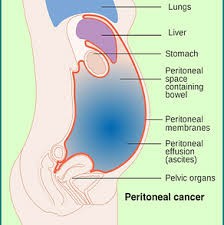
Peritoneal cancer refers to malignant tumors that occur in the peritoneum and is divided into two types: primary and secondary. Primary peritoneal cancer (such as primary peritoneal serous adenocarcinoma) is rare, while secondary peritoneal cancer usually results from metastasis of other cancers (such as ovarian, gastric, colorectal) to the peritoneum. The patient's survival period is affected by many factors, including disease stage, pathological type, treatment plan and individual health status.
1.Staging of the disease: The survival prognosis of patients with early-stage peritoneal cancer is relatively good, and the 5 annual survival rate may exceed 50%. However, most patients are diagnosed at an advanced stage and have a poor prognosis. Median survival for patients with advanced disease is usually 6-12 months, especially if they do not receive effective treatment.
2.Treatment methods: Active treatment can significantly prolong survival. For example, cytoreductive surgery combined with hyperthermic perfusion chemotherapy (CRS+HIPEC) is currently an effective method for the treatment of peritoneal cancer. Clinical data shows that the 5 annual survival rate of patients who receive this therapy can be increased to 20%-50%, and some patients can even achieve long-term survival. In addition, targeted therapy, immunotherapy and chemotherapy targeting specific causes can also play an important role.
3.Individual differences: The patient’s age, physical status, and whether he is combined with other diseases will all have an impact on survival. For example, younger, better-off patients may tolerate more aggressive treatment and thus survive longer.
4.Psychological and supportive treatment: A good psychological state and family support can improve the patient's quality of life, thereby indirectly affecting survival. Aggressive rehabilitative care can also help improve outcomes.
(Click to view an introduction to drugs for the treatment of peritoneal cancer.)
xa0
Reference materials
1.American Cancer Society: https://www.cancer.org/
2.National Cancer Institute (NCI): https://www.cancer.gov/
[ 免责声明 ] 本页面内容来自公开渠道(如FDA官网、Drugs官网、原研药厂官网等),仅供持有医疗专业资质的人员用于医学药学研究参考,不构成任何治疗建议或药品推荐。所涉药品可能未在中国大陆获批上市,不适用于中国境内销售和使用。如需治疗,请咨询正规医疗机构。本站不提供药品销售或代购服务。


