
.jpeg)
What causes peritoneal cancer?
Peritoneal cancer refers to malignant tumors that occur in the peritoneum and is usually divided into two types: primary and secondary. Primary peritoneal cancer is rare and usually results from malignant transformation of genetic mutations in peritoneal cells.而继发性腹膜癌大多是由其他部位的癌症转移至腹膜引起的。 The occurrence of peritoneal cancer is usually affected by many factors. The following are some of the main causes and risk factors:
1.Hereditary factors and gene mutations: Certain genetic mutations and gene abnormalities may lead to the occurrence of peritoneal cancer. BRCA1 and BRCA2 gene mutations are associated with an increased risk of peritoneal cancer. These gene mutations are also closely related to other types of cancer such as ovarian cancer and breast cancer. In addition, some patients with peritoneal cancer may also carry other hereditary cancer syndromes, such as Lynch syndrome. These genetic problems increase the risk of peritoneal cancer.
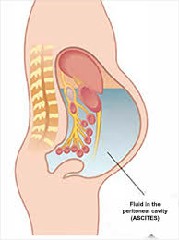
2.Metastatic factors of secondary peritoneal cancer: Secondary peritoneal cancer is commonly caused by cancer metastasis in other organs, especially ovarian cancer, gastric cancer, colorectal cancer and pancreatic cancer. Tumor cells can spread to the peritoneum through peritoneal fluid, blood, or lymphatic system to form metastatic lesions. For example, ovarian cancer cells often travel through peritoneal fluid to the peritoneum, causing peritoneal cancer.
3.Chronic inflammation and infection: Long-term peritoneal inflammation or infection may also cause peritoneal cancer. Chronic peritoneal inflammation (such as peritonitis caused by peritoneal dialysis, pelvic inflammatory disease, etc.) may cause long-term damage to peritoneal cells, thereby increasing the risk of cancer. Especially areas that have been stimulated by infection or inflammation for a long time may provide soil for cancer due to cell proliferation.
4.Environmental factors and lifestyle: Long-term exposure to certain environmental pollutants, chemicals or carcinogens may also increase the risk of peritoneal cancer. For example, asbestos and some industrial chemicals have been shown to be closely associated with the development of peritoneal cancer. In addition, bad lifestyle, such as smoking, poor eating habits, excessive drinking, etc., may also increase the risk of peritoneal cancer.
The occurrence of peritoneal cancer is often the result of a combination of factors. Therefore, early detection, control of risk factors and timely treatment of other primary cancers are crucial to preventing peritoneal cancer.
(Click to view an introduction to drugs for the treatment of peritoneal cancer.)
xa0
Reference materials:
1.American Cancer Society. Peritoneal Cancer. Available at:
https://www.cancer.org/cancer/peritoneal-cancer.html
2.National Cancer Institute. Peritoneal Cancer. Available at:
https://www.cancer.gov/types/peritoneal
[ 免责声明 ] 本页面内容来自公开渠道(如FDA官网、Drugs官网、原研药厂官网等),仅供持有医疗专业资质的人员用于医学药学研究参考,不构成任何治疗建议或药品推荐。所涉药品可能未在中国大陆获批上市,不适用于中国境内销售和使用。如需治疗,请咨询正规医疗机构。本站不提供药品销售或代购服务。


