
.jpeg)
The difference between eczema and urticaria
Eczema (Eczema) and urticaria (Hives) are both common inflammatory skin diseases. Although they have some similarities in symptoms, such as redness and itching, they have significant differences in their causes, manifestations, and treatments.
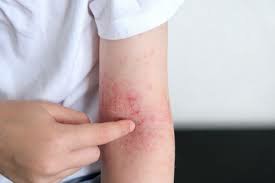
1. Judging from the symptoms, urticaria usually appears as red and swollen patches, similar to the reaction after being stung by nettle. These patches usually appear quickly and subside within a few hours. This rapid change makes the symptoms of urticaria have a certain periodicity and suddenness. In contrast, eczema appears as persistent red patches, often accompanied by small blisters that may ooze and crust after scratching. The symptoms of eczema are relatively more persistent and the patches will not go away unless appropriate treatment is given.
2. In terms of the course of the disease, urticaria can be divided into acute and chronic. Acute urticaria usually lasts a few days, while chronic urticaria may last more than six weeks. Eczema can also be acute, particularly in the case of contact eczema; however, atopic eczema is usually a chronic condition that often begins in infancy and may remain with the sufferer throughout his or her lifetime.
3. The causes of eczema and urticaria are different. The occurrence of eczema is often related to genetic factors, environmental influences, immune response, and damage to skin barrier function. For example, atopic eczema is often closely related to an individual's allergic constitution, while contact eczema is caused by allergic reactions to certain substances (such as cosmetics, metals, etc.).
In contrast, the onset of urticaria is mostly directly related to allergic reactions. In particular, acute urticaria often occurs within minutes after contact with allergens (such as food, drugs, latex, etc.). Chronic urticaria is called spontaneous chronic urticaria. Its cause is not yet clear, but it may be related to the abnormal release of mast cells. Mast cells, a type of immune cell involved in allergic reactions, release inflammatory mediators such as histamine that contribute to the symptoms of hives. In addition, there is a type of physical urticaria, which is triggered by external physical stimuli (such as temperature changes, pressure, etc.).
4. In terms of treatment, there are also obvious differences between eczema and urticaria. Urticaria can often be relieved with oral antihistamines, which are effective at reducing itching and redness. For eczema, treatment is more topical, with topical corticosteroid creams often recommended to reduce inflammation, along with daily use of moisturizers to improve the skin's ability to retain moisture. Antihistamines are generally not effective against eczema and are therefore not suitable for the treatment of eczema.
In addition, psychological factors also play an important role in both diseases. Stress and anxiety may worsen symptoms of eczema and hives, so mental health management should also be considered in comprehensive treatment. When patients deal with these skin problems, they not only need to pay attention to the improvement of physical symptoms, but also the adjustment of their psychological state.
In summary, although eczema and urticaria have similar symptoms, they have significant differences in manifestations, causes, courses, and treatments. When faced with skin problems, understanding these differences is crucial to choosing the right treatment option. Therefore, if relevant symptoms occur, it is recommended to seek medical advice and seek professional medical advice and treatment in time.
(Click to view an introduction to eczema treatment drugs)
Reference materials:https://www.pierrefabreeczemafoundation.org/en/understanding/is-it-eczema/hives
[ 免责声明 ] 本页面内容来自公开渠道(如FDA官网、Drugs官网、原研药厂官网等),仅供持有医疗专业资质的人员用于医学药学研究参考,不构成任何治疗建议或药品推荐。所涉药品可能未在中国大陆获批上市,不适用于中国境内销售和使用。如需治疗,请咨询正规医疗机构。本站不提供药品销售或代购服务。


