
.jpeg)
How long should I take larotrectinib?
Larotrectinib (Larotrectinib) is an NTRK gene fusion targeted drug. The specific taking time varies depending on the patient's condition, treatment effect and drug tolerance. Typically, patients take larotrectinib long-term until disease progression or intolerable side effects occur. For patients with solid tumors carrying NTRK gene fusions, if the drug is effective and the side effects are controllable, the treatment can last for months or even years.
Main influencing factors of taking time
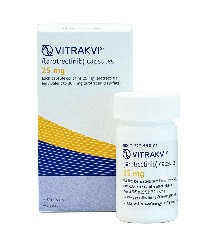
1.Tumor response: The main goal of larotrectinib treatment is to inhibit tumor growth and delay disease progression. During treatment, if imaging tests show tumor shrinkage or stable disease, the patient can continue taking the medication.
2.Resistance: If the patient develops resistance to larotinib, the tumor may grow again. At this time, it is necessary to evaluate whether to switch to other treatment options (such as the second-generation TRK inhibitor ceratinib).
3.Side effects: Side effects of larotrectinib include fatigue, nausea, dizziness, elevated liver enzymes, etc. If a patient cannot tolerate the drug, the dose may need to be adjusted or treatment discontinued.
4.Individual conditions: The treatment tolerance and efficacy of children and adults may be different, and the specific treatment course needs to be personalized according to the patient's condition.
In relevant clinical studies, some patients received larotrectinib for more than two years and maintained a good quality of life. This suggests that long-term use of larotrectinib is safe and effective in some patients.
The medication regimen of larotrectinib needs to be formulated by professional doctors based on the patient's specific condition, and the efficacy and side effects should be regularly monitored. Patients should follow the doctor's instructions during treatment and should not interrupt or adjust medication without authorization.
xa0
Reference materials:
1.BayerOfficial website:https://www.bayer.com
2.American Association for Cancer Research (AACR): https://www.aacr.org
3.Related research in "New England Journal of Medicine":https://www.nejm.org
[ 免责声明 ] 本页面内容来自公开渠道(如FDA官网、Drugs官网、原研药厂官网等),仅供持有医疗专业资质的人员用于医学药学研究参考,不构成任何治疗建议或药品推荐。所涉药品可能未在中国大陆获批上市,不适用于中国境内销售和使用。如需治疗,请咨询正规医疗机构。本站不提供药品销售或代购服务。


