
.jpeg)
Can stomach cancer be passed on to family members?
Gastric cancer, a malignant tumor that originates in the stomach, remains one of the most prevalent cancers in the world, although its incidence has declined over the past two decades. Among them, adenocarcinoma is the most common and originates in the lining mucosa of the stomach, while other types are relatively rare and originate in the middle or outer tissues of the stomach. Faced with this disease, people often worry about whether it is contagious and whether it will endanger the health of their families.
First, it must be clear that cancer itself is not contagious. It does not spread from one person to another by breathing the same air, sharing personal items such as toothbrushes, touching, kissing or having sex, like viruses or bacteria. The human body has a powerful immune system that is able to recognize and destroy any foreign cells that try to invade, including cancer cells from other people. Of course, there are some special circumstances, such as the spread of cancer cells that may be involved in rejection after organ transplantation and the risk of certain cancer transmissions from mother to fetus, but these are extremely rare exceptions.
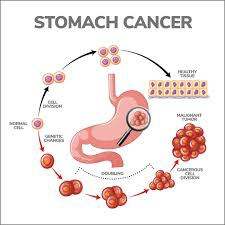
Although cancer is not contagious, certain infectious infections may increase an individual's risk of developing cancer. In addition, the phenomenon of cancer clustering in families often attracts people's attention. However, this aggregation is not directly inherited from the cancer itself, but is related to genes shared among family members or similar environmental exposures. These shared factors may increase the risk of cancer in family members.
The pathogenesis of gastric cancer is not fully understood, but it is known to be closely related to multiple factors. Among them, diet and lifestyle play an important role. High intake of smoked or pickled foods, excessive intake of processed meats, and insufficient intake of vegetables are all risk factors for stomach cancer. At the same time, drinking and smoking have also been confirmed to be related to the occurrence of gastric cancer. In addition, Helicobacter pylori infection is also one of the important causes of gastric cancer. This microorganism can infect the lining of the stomach and cause chronic inflammation, which may promote the development of cancer.
In short, gastric cancer is not a contagious disease and will not be transmitted to family members through daily contact. However, factors such as a shared genetic background, similar lifestyles, and certain infectious infections among family members may increase the risk of stomach cancer. Therefore, we should pay attention to these risk factors, adopt a healthy lifestyle, and have regular physical examinations to detect and treat gastric cancer early.
(Click to view an introduction to drugs for treating gastric cancer.)
References:
https://www.verywellhealth.com/is-cancer-contagious-514238
https://www.hopkinsmedicine.org/health/conditions-and-diseases/stomach-gastric-cancer
[ 免责声明 ] 本页面内容来自公开渠道(如FDA官网、Drugs官网、原研药厂官网等),仅供持有医疗专业资质的人员用于医学药学研究参考,不构成任何治疗建议或药品推荐。所涉药品可能未在中国大陆获批上市,不适用于中国境内销售和使用。如需治疗,请咨询正规医疗机构。本站不提供药品销售或代购服务。


