
.jpeg)
What causes stomach cancer?
Gastric cancer is a serious malignant tumor of the digestive system, and its exact cause is not yet completely clear. However, experts generally believe that the occurrence of gastric cancer is often closely related to damage to the cells lining the stomach. This damage can result from a variety of factors, including but not limited to stomach infections, chronic acid reflux, and a high-salt diet. It is important to note that although these factors may increase the risk of stomach cancer, not everyone exposed to these risk factors will eventually develop stomach cancer. Therefore, the exact pathogenesis of gastric cancer still needs further in-depth research to reveal its full picture.
The starting point of gastric cancer is abnormal changes in the DNA of the cells lining the stomach. DNA, the genetic material of cells, carries instructions for cell growth, division, and death. When these instructions are disrupted or disrupted, cells may lose normal growth control and begin to proliferate abnormally. Not only do these abnormally proliferating cells survive the natural death of healthy cells, they accumulate and eventually form a mass, a tumor.
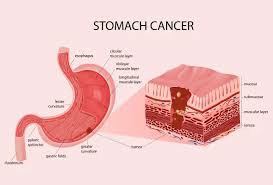
Gastric cancer cells are aggressive, capable of destroying surrounding healthy tissue and may grow deeper into the stomach wall. Over time, these cancer cells may also spread to other parts of the body through the blood or lymphatic system, forming metastases. This is one of the main reasons why gastric cancer is difficult to treat and has a poor prognosis.
In addition to the above-mentioned changes at the cellular level, there are also various factors that increase the risk of gastric cancer. Among them, gastroesophageal reflux disease is an important cause, which causes stomach acid to flow back into the esophagus repeatedly, which may damage the inner wall of the stomach. In addition, dietary habits high in salt and smoked food are also considered to be related to the occurrence of gastric cancer. In contrast, eating enough fruits and vegetables may reduce the risk of stomach cancer.
Helicobacter pylori infection is another important risk factor for gastric cancer. This bacterium can cause stomach infections, leading to inflammation and damage to the gastric mucosa. Long-term gastritis and stomach irritation may also increase the risk of stomach cancer. Smoking is also a carcinogen that cannot be ignored. It promotes the occurrence and development of gastric cancer through multiple mechanisms.
In addition, people with abnormal growths of non-cancerous cells in the stomach (such as polyps) and a family history of stomach cancer or a family history of certain genetic syndromes are also at higher risk. These genetic syndromes include hereditary diffuse gastric cancer, Lynch syndrome, juvenile polyposis syndrome, etc.
To sum up, the occurrence of gastric cancer is the result of multiple factors. Understanding these risk factors and taking appropriate preventive measures are critical to reducing your risk of stomach cancer. At the same time, for patients who already have symptoms of gastric cancer, timely medical treatment and professional treatment are also the key to improving the survival rate.
(Click to view an introduction to drugs for treating gastric cancer.)
References:
https://www.mayoclinic.org/diseases-conditions/stomach-cancer/symptoms-causes/syc-20352438
[ 免责声明 ] 本页面内容来自公开渠道(如FDA官网、Drugs官网、原研药厂官网等),仅供持有医疗专业资质的人员用于医学药学研究参考,不构成任何治疗建议或药品推荐。所涉药品可能未在中国大陆获批上市,不适用于中国境内销售和使用。如需治疗,请咨询正规医疗机构。本站不提供药品销售或代购服务。


