
.jpeg)
Can late-stage gastric cancer be cured?
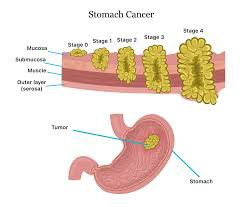
Gastric cancer is the fourth leading cause of cancer death worldwide and the fifth most common cancer. According to various statistical data, the incidence rate of gastric cancer shows obvious differences in different regions. Especially in East Asian countries such as China, Japan and South Korea, the incidence rate is relatively high, while in Western countries it is lower and showing a downward trend. This difference is closely related to a variety of factors, including dietary habits, genetic factors, Helicobacter pylori infection, and individual age. An unreasonable diet, such as excessive intake of pickled and high-salt foods, is considered an important risk factor for gastric cancer. In addition, Helicobacter pylori infection is closely linked to the occurrence of chronic gastritis and gastric cancer. Because early-stage gastric cancer often lacks obvious symptoms, many patients are not diagnosed until the disease progresses to an advanced stage without knowing it. So, is it possible to cure gastric cancer in the advanced stage?
When gastric cancer reaches an advanced stage, the cancer cells have usually spread to surrounding tissue or other organs, at which point the possibility of cure is significantly reduced. In this setting, the medical community's treatment goals often turn toward prolonging survival and improving quality of life. To achieve this goal, doctors develop a personalized treatment plan based on the patient's specific situation. Common treatments include chemotherapy, radiotherapy, and targeted therapy.
Chemotherapy uses drugs to kill or inhibit cancer cells. Although it can effectively control the progression of cancer, it may cause a series of side effects, such as nausea, vomiting, and decreased immunity. Therefore, doctors will try their best to choose drugs that are suitable for the patient's physical condition in order to improve the efficacy while reducing side effects.
In addition to chemotherapy, radiotherapy is also a common adjuvant treatment, especially effective in local tumor control. Radiation therapy uses high-energy rays to directly kill cancer cells and is often used to reduce symptoms and relieve pain, helping patients better cope with their illness. Targeted therapy is an emerging option in the treatment of gastric cancer in recent years. It achieves more precise therapeutic effects by targeting specific cancer cell characteristics. Targeted therapy can reduce damage to normal cells and cause fewer side effects.
In the late stage of gastric cancer, immunotherapy has gradually attracted people's attention. Immunotherapy uses a patient's own immune system to identify and attack cancer cells, providing new hope for some patients. Although these advanced treatments are not suitable for all patients, as relevant research deepens, more patients may benefit in the future.
In addition to medical treatment, psychological support for patients with advanced gastric cancer cannot be ignored. Facing the pressure caused by the disease, patients and their families should actively seek professional psychological consultation and support, which will greatly help maintain a good psychological state and thus improve the effectiveness of treatment. At the same time, proper diet, exercise and regular lifestyle can improve the patient's overall health to a certain extent.
In short, although late-stage gastric cancer is difficult to cure, patients can still achieve a longer survival period and better quality of life through various means of modern medicine.
(Click to view an introduction to drugs for treating gastric cancer.)
References:
https://www.ncbi.nlm.nih.gov/books/NBK459142/
[ 免责声明 ] 本页面内容来自公开渠道(如FDA官网、Drugs官网、原研药厂官网等),仅供持有医疗专业资质的人员用于医学药学研究参考,不构成任何治疗建议或药品推荐。所涉药品可能未在中国大陆获批上市,不适用于中国境内销售和使用。如需治疗,请咨询正规医疗机构。本站不提供药品销售或代购服务。


