
.jpeg)
The effect of venetoclax/venetoclax in the treatment of myelodysplasia
Venetoclax/Venetoclax, as an oral drug targeting the BCL-2 protein, has attracted widespread attention in recent years in the treatment of acute myeloid leukemia (AML) and myelodysplastic syndrome (MDS). These two diseases are more common in older patients and are often accompanied by drug resistance problems, which limits the effectiveness of treatment. Venetoclax improves the prognosis of these patients to some extent by lowering the apoptosis threshold and increasing the sensitivity of cells to chemotherapy drugs.
In studies, venetoclax has shown modest efficacy as a monotherapy forAML, but its effects were more pronounced in combination therapy. Especially when combined with chemotherapy drugs such as low-dose cytarabine, considerable positive results have been achieved. This combination enables better responses in patients who are not candidates for intensive chemotherapy and has shown the potential to increase overall survival. Additionally, venetoclax-based combination therapies have shown promising preliminary results in high-risk MDS patients, especially when combined with epigenetic drugs such as azacitidine. Recent clinical studies have shown that this combination can effectively induce responses and improve patients' quality of life.
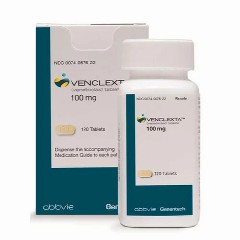
However, although combination therapy with venetoclax has shown clinical promise, drug resistance and associated toxicities remain major obstacles in its application. On the one hand, some patients may develop resistance to venetoclax due to factors such as genetic mutations and changes in the tumor microenvironment, which greatly reduces the effectiveness of treatment. Therefore, it is important to identify and monitor these possible resistance mechanisms to ensure that patients can benefit from treatment.
At the same time, the side effects of venetoclax also require attention, especially in elderly patients, as drug-related toxicity may lead to serious health risks. Therefore, in clinical practice, doctors need to carefully consider the use of venetoclax and adjust the treatment plan based on the patient's specific situation to minimize adverse reactions and improve efficacy.
Reference materials:https://pmc.ncbi.nlm.nih.gov/articles/PMC10241752/
[ 免责声明 ] 本页面内容来自公开渠道(如FDA官网、Drugs官网、原研药厂官网等),仅供持有医疗专业资质的人员用于医学药学研究参考,不构成任何治疗建议或药品推荐。所涉药品可能未在中国大陆获批上市,不适用于中国境内销售和使用。如需治疗,请咨询正规医疗机构。本站不提供药品销售或代购服务。


