
.jpeg)
The best treatment options for nasopharyngeal cancer
The optimal treatment for nasopharyngeal cancer varies depending on the patient's specific condition, physical condition, and treatment expectations, but generally involves a comprehensive treatment model that involves multiple disciplines.
For early-stage nasopharyngeal cancer (such as stage I), radiation therapy is usually the treatment of choice. Radiation therapy effectively targets and destroys cancer cells while minimizing damage to surrounding healthy tissue. Research data shows that more than 90% of patients with early-stage nasopharyngeal cancer can achieve complete remission through radiation therapy. The dose of radical radiotherapy is usually 6670Gy (nasopharynx) and 5460Gy (regional cervical lymph nodes), and intensity-modulated radiotherapy (IMRT) technology is strongly recommended to optimize the treatment effect.
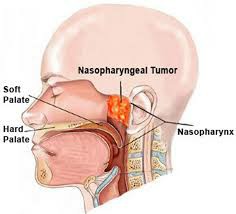
For intermediate and advanced nasopharyngeal cancer (such as II-IV stages), concurrent chemoradiotherapy is a common treatment option. Chemotherapy drugs such as cisplatin can enhance the effect of radiotherapy and improve the cure rate and patient survival. The dose of radiotherapy is similar to that for early-stage nasopharyngeal cancer, but the choice of chemotherapy regimen needs to be individualized based on the patient's tolerance and specific circumstances.
In recent years, immunotherapy and targeted therapy have shown good promise in the treatment of nasopharyngeal carcinoma. Immunotherapy attacks tumor cells by enhancing the patient's own immune system, while targeted therapy can specifically block the signaling pathways of tumor cell growth. These emerging treatments provide more treatment options for patients with intermediate and advanced nasopharyngeal carcinoma.
Although surgery is uncommon in the treatment of nasopharyngeal carcinoma, surgical resection may be considered in certain circumstances, such as local recurrence after radiotherapy or cases that are difficult to control with radiotherapy and chemotherapy. Surgical methods may include partial or total removal of the nasopharyngeal tumor and neck lymph node dissection. However, because nasopharyngeal carcinoma is sensitive to radiotherapy and difficult to operate, surgery is usually not the first choice of treatment.
(Click to view an introduction to drugs for the treatment of nasopharyngeal cancer.)
xa0
References:
https://cco.amegroups.org/article/view/9596/html
https://emedicine.medscape.com/article/988165-treatment?form=fpf
[ 免责声明 ] 本页面内容来自公开渠道(如FDA官网、Drugs官网、原研药厂官网等),仅供持有医疗专业资质的人员用于医学药学研究参考,不构成任何治疗建议或药品推荐。所涉药品可能未在中国大陆获批上市,不适用于中国境内销售和使用。如需治疗,请咨询正规医疗机构。本站不提供药品销售或代购服务。


