
.jpeg)
Adverse reactions and precautions of osimertinib in the treatment of non-small cell lung cancer
Osimertinib, as a targeted therapy for non-small cell lung cancer, effectively slows down or blocks the growth of tumor cells by precisely inhibiting specific gene mutations, bringing new treatment hope to patients. However, while any drug has a therapeutic effect, it may be accompanied by some adverse reactions. It is important for patients receiving osimertinib to understand these potential side effects and the corresponding precautions.
During treatment with osimertinib, patients may experience some common side effects. Although these side effects are usually mild, they may have some impact on the patient's daily life. For example, lowered blood cell counts may make a patient more susceptible to infection or bleeding; musculoskeletal pain may make the patient uncomfortable; diarrhea, fatigue, and cough may affect the patient's quality of daily life. In addition, problems such as mouth sores, dry skin, rashes, and redness and tenderness of fingernails and toenails may also occur. Patients should pay close attention to their physical condition during medication. Once any discomfort is discovered, they should report it to the doctor in time so that the doctor can promptly adjust the treatment plan or provide corresponding symptomatic treatment.
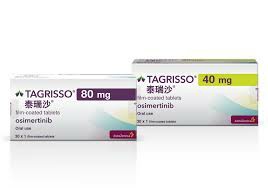
In addition to the common side effects mentioned above, osimertinib may also cause some more serious side effects, which requires patients to be particularly vigilant. Especially lung problems, such as difficulty breathing, shortness of breath, cough and fever, etc. These symptoms may be similar to lung cancer. Once they occur, patients should seek medical treatment immediately. At the same time, heart problems such as irregular heartbeat are also potential risks. Patients need to pay close attention to their heart conditions and inform their doctors in time if there are any abnormalities.
In addition, osimertinib may cause adverse effects on the eyes and skin. Eye symptoms such as tearing, light sensitivity, eye pain, redness or vision changes, as well as severe skin reactions such as ring lesions, blistering or peeling, all require patients to pay close attention to. Once these symptoms occur, you should stop taking the medication immediately and seek medical advice.
Of note, osimertinib may also cause bone marrow suppression, which affects the production of blood cells. Therefore, patients should have regular blood count checks during treatment to detect and treat any possible blood and bone marrow problems promptly. Signs such as fever, infection, abnormal bleeding, etc. may be symptoms of bone marrow suppression and require immediate medical attention.
Finally, allergic reactions are also side effects that require special vigilance during osimertinib treatment. At the first sign of an allergic reaction, such as hives, difficulty breathing, and swelling of the face or throat, patients should seek emergency medical help immediately to ensure their own safety.
In short, patients receiving osimertinib treatment should fully understand these possible side effects and precautions, and closely monitor their physical condition under the guidance of a doctor. By communicating with doctors in a timely manner and taking appropriate response measures, patients can better manage these side effects and ensure the safety and effectiveness of treatment.
Reference materials:https://www.drugs.com/tagrisso.html
[ 免责声明 ] 本页面内容来自公开渠道(如FDA官网、Drugs官网、原研药厂官网等),仅供持有医疗专业资质的人员用于医学药学研究参考,不构成任何治疗建议或药品推荐。所涉药品可能未在中国大陆获批上市,不适用于中国境内销售和使用。如需治疗,请咨询正规医疗机构。本站不提供药品销售或代购服务。


