
.jpeg)
Is vitiligo contagious?
Vitiligo (Vitiligo) is a common acquired depigmentation skin disease characterized by irregular white patches on the skin. These white spots are caused by impaired or absent melanocytes in the skin. Many people have misconceptions about vitiligo, especially when it comes to its contagiousness. In fact, vitiligo is not contagious.
The pathogenesis of vitiligo is mainly related to genetic factors, immune system abnormalities, environmental stimulation, etc., rather than being caused by pathogens such as bacteria or viruses. Studies have shown that people with vitiligo often have other family members with similar skin diseases, suggesting that genetics plays a role. But that doesn't mean it's spread through contact. Patches of vitiligo develop over time and may expand or create new patches, but these changes are a physiological response to the individual and not caused by exposure to other patients.
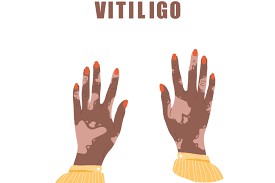
People with vitiligo do not have to worry about spreading the disease during daily contact with others. Neither shaking hands, hugging, or other forms of contact will cause vitiligo in healthy people. Many patients face misunderstanding and discrimination from others in life and work, which not only affects the patients' mental health, but also deepens society's misunderstanding of the disease. Therefore, it is very important to raise public awareness of vitiligo and dispel rumors about its contagiousness.
In addition, although vitiligo itself is not contagious, patients still need to pay attention to skin protection in daily life and avoid trauma, sun exposure, etc., to reduce further damage to the skin. Proper treatment and care can help patients improve their skin condition and improve their quality of life.
(Click to view the introduction of drugs for treating vitiligo)
Reference materials:https://www.pfizer.com/disease-and-conditions/vitiligo
[ 免责声明 ] 本页面内容来自公开渠道(如FDA官网、Drugs官网、原研药厂官网等),仅供持有医疗专业资质的人员用于医学药学研究参考,不构成任何治疗建议或药品推荐。所涉药品可能未在中国大陆获批上市,不适用于中国境内销售和使用。如需治疗,请咨询正规医疗机构。本站不提供药品销售或代购服务。


