
.jpeg)
What is the overall survival rate with tucatinib?
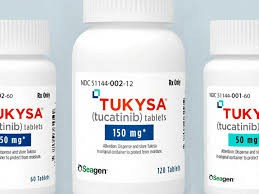
Tucatinib is an oral small molecule tyrosine kinase inhibitor (TKI), mainly used to treat HER2 -positive metastatic breast cancer.
In a clinical trial called HER2CLIMB, tucatinib plus trastuzumab and capecitabine was compared with placebo plus trastuzumab and capecitabine. The results showed that the overall survival rate of the tucatinib combination group was significantly improved. Specifically, the 2 year overall survival rate was 44.9% in the tucatinib combination group, while the 2 year overall survival rate was 26.6% in the placebo combination group.
In another study targetingHER2CLIMB In the analysis of the Phase II trial, the 1 year progression-free survival rate of the tucatinib combination group was 33.1%, which was significantly higher than the 12.3% of the placebo combination group. Median progression-free survival was also extended to 7.8 months, compared with 5.6 months in the placebo control group.
Tucatinib has also shown significant efficacy in patients with HER2 positive breast cancer with brain metastasis. In the HER2CLIMB trial, the 1 year progression-free survival rate in patients with brain metastases was 24.9% compared with 0% in the placebo group. This means that tucatinib can significantly prolong the progression-free survival of HER2-positive breast cancer patients with brain metastases.
In a study of tucatinib combined with T-DM1 (trastuzumab) to treat patients with HER2+ advanced breast cancer with brain metastases, the median progression-free survival (PFS) of the tucatinib group was also significantly better than that of the placebo group.
The overall survival rate of tucatinib is affected by many factors, including the patient's baseline characteristics, disease status, and combination drug regimen. For example, in the HER2CLIMB trial, tucatinib combined with trastuzumab and capecitabine significantly improved patient survival.
In addition, factors such as the patient's age, physical condition, and previous treatment history may also affect the overall survival rate of tucatinib. Therefore, when treating with tucatinib, doctors need to develop a personalized treatment plan based on the patient's specific conditions.
4. Combined use of tucatinib with other drugs
Tucatinib is often combined with other drugs to increase its effectiveness. For example, the combination with trastuzumab and capecitabine has been shown to significantly improve survival in patients with HER2-positive breast cancer.
In addition, studies have shown that tucatinib combined with letrozole, palbociclib and other drugs has also achieved significant results in the treatment ofHR+/HER2+ breast cancer. These combination regimens provide patients with more treatment options.
Tucatinib demonstrated good safety and tolerability in clinical trials. Although some patients may experience some adverse reactions, such as diarrhea, nausea, fatigue, etc., these reactions are usually controllable and reversible.
The favorable safety and tolerability profile make tucatinib an important treatment option for HER2 patients with positive breast cancer.
In summary, tucatinib has demonstrated significant efficacy in the treatment of HER2 positive breast cancer, especially in improving the overall survival rate of patients. With the continuous deepening of research on tucatinib and the accumulation of clinical experience, it is believed that more patients will benefit from this drug in the future.
At the same time, we also look forward to the emergence of more innovative drugs and treatment options in the future to bring better therapeutic effects and quality of life to HER2 patients with positive breast cancer.
References:
https://www.nejm.org/doi/full/10.1056/NEJMoa0910383
[ 免责声明 ] 本页面内容来自公开渠道(如FDA官网、Drugs官网、原研药厂官网等),仅供持有医疗专业资质的人员用于医学药学研究参考,不构成任何治疗建议或药品推荐。所涉药品可能未在中国大陆获批上市,不适用于中国境内销售和使用。如需治疗,请咨询正规医疗机构。本站不提供药品销售或代购服务。


