
.jpeg)
How effective is tucatinib?
Tucatinib (trade name: Tukysa) is an oral tyrosine kinase inhibitor (TKI) that specifically targets HE R2 (human epidermal growth factor receptor2), mainly used to treat HER2 positive breast cancer.
The HER2CLIMB trial is a pivotal clinical trial evaluating the efficacy and safety of tucatinib in patients with HER2 positive breast cancer. The study included 612 patients with locally advanced unresectable or metastatic HER2-positive breast cancer who had been previously treated with trastuzumab, pertuzumab, and T-DM1. The trial results showed that compared with trastuzumab and capecitabine monotherapy, the treatment regimen of tucatinib combined with trastuzumab and capecitabine significantly prolonged the progression-free survival (PFS) and overall survival (OS) of the patients. In patients with brain metastases, the addition of tucatinib significantly reduced the risk of disease progression or death and prolonged patient survival.
The MOUNTAINEER trial is a Phase II clinical trial evaluating the efficacy of tucatinib plus trastuzumab in patients with HER2-positive metastatic colorectal cancer. The study included 57 patients. The test results showed that 38% tumors shrank or disappeared, and 33% tumors stopped growing. This result shows that tucatinib also has significant anti-tumor activity in patients with HER2-positive colorectal cancer.
Tucatinib can significantly extend the progression-free survival and overall survival of patients. In the HER2CLIMB trial, the median progression-free survival was 7.8 months in the tucatinib combination arm, compared with only5.6 months; the median overall survival was 21.9 months and 17.4 months respectively.
For patients with brain metastases, the addition of tucatinib also significantly prolonged the patient's survival. Among patients with brain metastases, the 1-year progression-free survival rate was 24.9% in the tucatinib combination group and 0% in the placebo combination group.
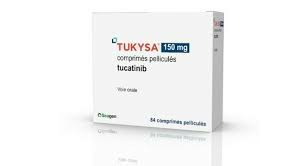
As an oral drug, tucatinib has fewer side effects and is better tolerated by patients than traditional chemotherapy drugs. This helps reduce patients’ pain during treatment and improves their quality of life.
In addition, tucatinib can delay the development of brain damage. For patients with stable tumor metastasis, the median CNS-PFS after tucatinib treatment is 13.9 months, which is of great significance for improving the quality of life of patients.
Tucatinib has good blood-brain barrier penetration and shows significant efficacy in patients with HER2-positive breast cancer with brain metastases. In the HER2CLIMB trial, the tucatinib combination group had significantly better progression-free survival than the placebo combination group in patients with brain metastases. This therapeutic effect is achieved thanks to tucatinib's ability to cross the blood-brain barrier and directly act on brain metastases, thereby inhibiting the growth and spread of tumor cells.
Common side effects of tucatinib include diarrhea, palmoplantar erythema syndrome, nausea, fatigue, etc., but they are usually mild and controllable. These side effects can be effectively alleviated by adjusting the dose, giving supportive treatment, or discontinuing the drug. Compared with traditional chemotherapy drugs, tucatinib has fewer side effects and is better tolerated by patients. This helps patients maintain better physical condition and quality of life during treatment.
Tucatinib was relatively well tolerated, allowing patients to undergo long-term treatment. This is of great significance for HER2-positive breast cancer patients who need long-term disease control.
Tucatinib is indicated for patients with advanced unresectable or metastatic HER2-positive breast cancer, including those whose disease has progressed despite other anti-HER2 therapies. Additionally, it is approved for the treatment of HER2positive, RASPatients with wild-type, unresectable, or metastatic colorectal cancer. The recommended dose of tucatinib is 300 mg orally twice daily until disease progression or unacceptable toxicity. Patients should strictly follow their doctor's instructions and be careful not to chew, crush or split the tablets.
References:
https://pmc.ncbi.nlm.nih.gov/articles/PMC7403000/
[ 免责声明 ] 本页面内容来自公开渠道(如FDA官网、Drugs官网、原研药厂官网等),仅供持有医疗专业资质的人员用于医学药学研究参考,不构成任何治疗建议或药品推荐。所涉药品可能未在中国大陆获批上市,不适用于中国境内销售和使用。如需治疗,请咨询正规医疗机构。本站不提供药品销售或代购服务。


