
.jpeg)
bedaquiline dosage
Bedaquiline (Bedaquiline) dosage varies based on treatment regimen and patient specific circumstances, and is typically used to treat patients with multidrug-resistant tuberculosis (MDR-TB) or drug-resistant TB.
1. Adult dosage
For adult patients, bedaquiline is typically administered according to the following dosage regimen:
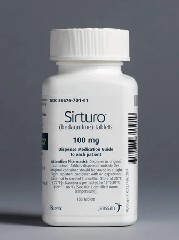
Initial Phase (First Two Weeks): For the first two weeks of treatment, adult patients take bedaquiline 400 mg orally once daily (100 mg per tablet, usually 4 tablets). This period of time is intended to take effect quickly and control the spread of germs.
Maintenance phase (next22 weeks): After the initial phase, patients enter the maintenance phase. During this phase, the dose of bedaquiline is usually reduced to 200 mg three times per week for 22 weeks. The purpose of the maintenance phase is to maintain the efficacy of the drug and reduce the occurrence of bacterial resistance.
2. Children’s dosage
The safety of bedaquiline in children 18 years of age has not been fully established, so its use in children is generally not recommended unless a doctor bases it on a specific need and has fully evaluated the risks and benefits.
Bedaquiline should be taken with food, which helps improve the absorption rate of the drug and enhances the therapeutic effect. Patients should strictly follow the doctor's instructions and avoid missing doses or adjusting the dosage without authorization.
If the patient has liver or kidney dysfunction, the dose should be adjusted under the guidance of a physician. Severe hepatic and renal dysfunction may require dose reduction or special monitoring during treatment. Bedaquiline should be used with caution in elderly patients, especially those with other comorbidities, and dose adjustments or increased monitoring frequency may be necessary on a case-by-case basis.
The treatment course of bedaquiline is usually longer, usually taking 24 weeks (6 months), but the specific length of treatment should be decided by the doctor based on the patient's condition, treatment response and drug resistance.
The dose of bedaquiline should be adjusted based on the patient's specific condition and response to treatment. In the early stages, higher doses are needed to quickly suppress the bacteria, while in the later stages, the doses are reduced to maintain efficacy and prevent the development of resistance. Patients need to strictly follow the dosage and medication schedule under the guidance of a doctor and avoid adjusting the dosage on their own to ensure efficacy and minimize side effects.
[ 免责声明 ] 本页面内容来自公开渠道(如FDA官网、Drugs官网、原研药厂官网等),仅供持有医疗专业资质的人员用于医学药学研究参考,不构成任何治疗建议或药品推荐。所涉药品可能未在中国大陆获批上市,不适用于中国境内销售和使用。如需治疗,请咨询正规医疗机构。本站不提供药品销售或代购服务。


