
.jpeg)
Detailed explanation of the efficacy and side effects of osimertinib in EGFR T790M mutated lung cancer
Osimertinib, as a third-generation epidermal growth factor receptor (EGFR) tyrosine kinase inhibitor (TKI), has brought new treatment hope to many patients with its high efficiency and selectivity in the treatment of lung cancer. Especially for patients carrying the EGFR T790M mutation, osimertinib is undoubtedly a crucial treatment option. The EGFR T790M mutation is a common resistance mechanism in lung cancer patients after receiving first- and second-generation EGFR-TKI treatment. About half to 60% of patients will develop such mutations. Osimertinib can precisely inhibit this mutation and restore growth control of tumor cells.
In clinical studies on EGFR T790M mutated lung cancer patients, the efficacy of osimertinib has been fully verified. Data from two landmark studies showed that 57% and 61% of patients respectively achieved complete or partial reduction in tumor volume after receiving osimertinib treatment. This indicator is known in medicine as the objective response rate. These data not only strongly prove the excellent efficacy of osimertinib in patients with EGFR T790M mutated lung cancer, but also open up new treatment pathways for these patients.
However, the use of any drug comes with potential side effects, and osimertinib is no exception. During treatment, patients may experience some common side effects, such as diarrhea, dry skin, rash, and abnormalities around the nails, such as infection, redness, and swelling. These side effects are controllable in most cases, and doctors will adjust the drug dosage or take symptomatic treatment measures according to the patient's specific situation to alleviate the patient's discomfort.
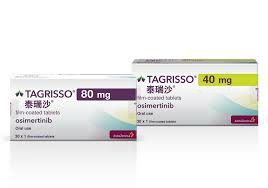
In addition to the common side effects mentioned above, osimertinib may also cause some more serious reactions. For example, lung inflammation (interstitial lung disease) and heart problems are rare but alarming side effects. Once these serious reactions occur, doctors may need to immediately adjust the treatment regimen or even stop using osimertinib in some cases. Therefore, patients should pay close attention to their physical condition during treatment and report any abnormal reactions to their doctors in a timely manner.
In addition, it is important to note that osimertinib may cause potential harm to the developing fetus. Therefore, pregnant women or women who may become pregnant should consult a physician before using osimertinib and take appropriate contraceptive measures according to the physician's advice.
In order to ensure the therapeutic effect of osimertinib and monitor possible side effects, patients need to undergo a series of examinations regularly during treatment. This includes imaging tests (such as chest CT) to evaluate changes in the tumor, and hematology tests (such as blood routine, liver and kidney function, etc.) to monitor the patient's overall health. At the same time, patients should also proactively inform their doctors about other drugs they are taking, because some drugs may interact with osimertinib and affect its metabolism and blood concentration.
In summary, osimertinib has a significant therapeutic effect on EGFR T790M mutated lung cancer patients, but it may also cause a series of side effects during use. Therefore, patients should use osimertinib rationally under the guidance of doctors, not only to give full play to its efficacy, but also to pay close attention to and properly handle possible side effects. Through the joint efforts of both doctors and patients, treatment effects can be maximized and the risk of side effects can be reduced.
Reference materials:https://www.drugs.com/newdrugs/fda-approves-tagrisso-osimertinib-egfr-t790m-mutation-positive-non-small-cell-lung-cancer-4297.html
[ 免责声明 ] 本页面内容来自公开渠道(如FDA官网、Drugs官网、原研药厂官网等),仅供持有医疗专业资质的人员用于医学药学研究参考,不构成任何治疗建议或药品推荐。所涉药品可能未在中国大陆获批上市,不适用于中国境内销售和使用。如需治疗,请咨询正规医疗机构。本站不提供药品销售或代购服务。


