
.jpeg)
What side effects does Tepotinib cause? How to effectively deal with these adverse reactions?
Tepotinib, as an oral small molecule targeted drug for non-small cell lung cancer (NSCLC) patients carryingMET exon 14 skipping mutations, can effectively block the proliferation and metastasis pathways of tumor cells by precisely inhibiting MET receptor tyrosine kinase, providing new treatment hope for patients. However, any drug may be accompanied by certain side effects while exerting a therapeutic effect. So, what specific side effects does tepotinib cause? How to effectively deal with these adverse reactions?
Possible side effects of tepotinib range from many aspects. Among them, the more serious ones include lung problems, such as difficulty breathing, shortness of breath, cough, and fever; liver problems, which may appear as yellowish skin or eyes, darker urine, lighter stools, confusion, persistent fatigue, loss of appetite, nausea and vomiting, stomach pain or discomfort, and abdominal distension; in addition, pancreatic problems are also one of the potentially serious side effects, which may manifest as upper abdominal pain (the pain may radiate to the back and worsen after eating), vomiting, significant weight loss, and nausea.
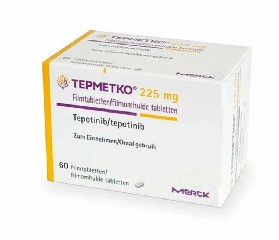
In addition to the serious side effects mentioned above, tepotinib may also cause a series of more common adverse reactions, which may occur in20% or more of patients. These include, but are not limited to, swelling of the face or other parts of the body (i.e. edema), fatigue, nausea, diarrhea, muscle and joint pain, shortness of breath, loss of appetite, and rashes. Some patients may also have abnormal blood test results.
Faced with these possible side effects, patients can take a series of measures to effectively deal with them. First of all, be sure to strictly follow the doctor's instructions, use the medicine accurately according to the doctor's guidance, and do not adjust the dosage or stop the medicine without authorization. Secondly, adjust your diet to avoid spicy, acidic, hard, high-fat and high-sugar foods, and choose light and easy-to-digest foods to reduce the burden on the gastrointestinal tract. At the same time, regular physical examinations, especially monitoring of liver and lung function, are required to detect and deal with any potential side effects in a timely manner. In addition, maintaining good sleep habits and engaging in light physical exercise, such as walking or jogging, can help increase energy levels and relieve feelings of fatigue and fatigue. Finally, once any discomfort or side effects occur, you should communicate with your doctor immediately so that the doctor can adjust the medication plan or take corresponding treatment measures in a timely manner.
In summary, although tepotinib may be associated with some side effects during treatment, most side effects can be effectively controlled and alleviated through reasonable medication management, dietary adjustments, regular monitoring, and close communication with doctors. When patients choose medicines, please base them on their own needs and be sure to purchase them through formal channels to ensure the safety and effectiveness of the medicines.
Reference: https://www.drugs.com/pro/tepmetko.html
[ 免责声明 ] 本页面内容来自公开渠道(如FDA官网、Drugs官网、原研药厂官网等),仅供持有医疗专业资质的人员用于医学药学研究参考,不构成任何治疗建议或药品推荐。所涉药品可能未在中国大陆获批上市,不适用于中国境内销售和使用。如需治疗,请咨询正规医疗机构。本站不提供药品销售或代购服务。


